



AI has changed how software teams approach test automation, but it hasn’t replaced the need for good testing practices. Teams that rush to adopt AI-powered testing tools often discover their results lack consistency and accuracy. The reason is simple: AI systems depend on the same quality principles that have always mattered in testing.
Strong testing fundamentals directly improve AI-led test reliability by providing clear test objectives, well-structured data, and effective validation methods that help AI tools perform with greater consistency. Without these basics, AI-powered tests can miss critical defects, produce false positives, or fail to adapt properly to code changes. The fundamentals serve as guardrails that keep AI testing on track.
The shift from traditional automation to AI-driven testing requires teams to understand how core practices support machine learning models and intelligent test tools. Test design, data quality, security validation, and continuous monitoring all play important roles in making AI testing effective. These fundamentals don’t limit AI capabilities. They unlock them.
Core Testing Fundamentals Driving AI-Led Test Reliability
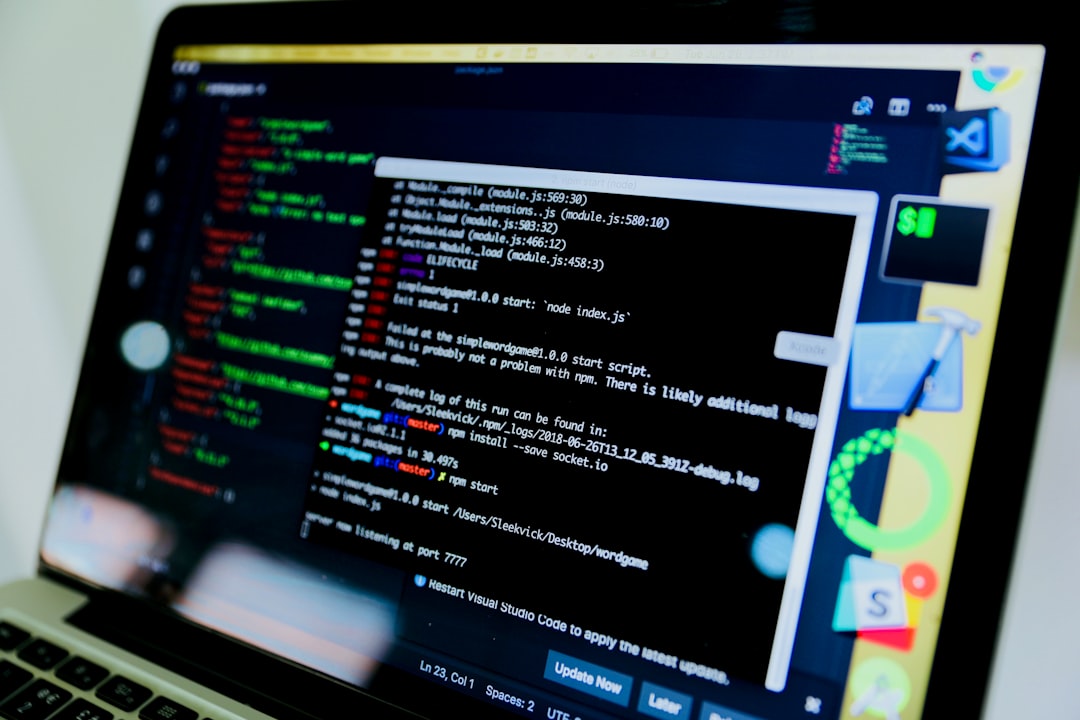 Strong testing principles form the backbone of AI-powered test systems. Data quality, proper test coverage, smart case generation, and solid execution strategies determine how well AI performs in real-world scenarios.
Importance of Foundational Software Testing Principles
AI tools work best when teams build them on top of proven testing practices. These software testing fundamentals include clear test objectives, good documentation, and standard test design methods. Teams need to understand unit testing, integration testing, and system testing before they add AI to their workflows.
AI algorithms learn from existing test patterns and historical data. Poor testing practices lead to AI systems that repeat the same mistakes. For example, if manual tests skip edge cases, the AI will likely miss them too.
Teams should focus on test clarity and consistency first. AI can then amplify these efforts through automation and smart analysis. The technology works as an extension of good practices rather than a replacement for them.
Role of Data Quality and Test Coverage
AI systems depend on quality data to make accurate decisions. Test data must represent real-world scenarios and include both normal and unusual cases. Incomplete or biased data creates AI models that miss important bugs or flag false positives.
Test coverage measures how much of the application gets tested. Higher coverage means fewer blind spots where bugs can hide. AI helps expand coverage by adapting to changes in the software and learning from previous test results.
Teams need diverse test data that covers different user behaviors, system states, and input types. This variety helps AI tools identify patterns and detect defects across the entire application. Building or integrating AI systems that can correctly leverage these foundational principles, transforming quality data and comprehensive coverage into reliable, self-improving tests is itself a complex software challenge. Organizations seeking to develop such tailored, intelligent testing solutions often benefit from partnering with a firm specializing in custom AI software development services to ensure the underlying models and architectures are designed for accuracy and maintainability from the ground up. Regular data quality checks prevent AI from learning incorrect patterns.
Test Case Generation and Prioritization
AI speeds up test case creation by analyzing code changes and user behavior patterns. Smart algorithms can generate test cases automatically based on risk assessment and historical defect data. This reduces the manual work needed to keep tests current.
Test prioritization determines which tests run first. AI evaluates factors like code complexity, change frequency, and past failure rates to rank tests by importance. High-priority tests run early in the development cycle to catch problems faster.
Machine learning models adapt test priorities as the application evolves. They identify which tests provide the most value and which ones become outdated. This dynamic approach keeps test suites efficient and focused on real risks.
Test Execution Strategies and Continuous Testing
AI-powered test execution adjusts to application changes through self-healing capabilities. These systems detect when UI elements move or change and update test scripts automatically. This reduces maintenance work and keeps automated tests functional.
Continuous testing integrates tests throughout the development pipeline. AI monitors test results in real time and provides quick feedback to developers. Fast feedback loops help teams fix issues before they reach production.
Parallel test execution across multiple environments speeds up testing cycles. AI coordinates these efforts and manages test resources efficiently. The technology also analyzes test results to identify flaky tests that need attention or removal from the test suite.
Improving AI-Led Test Accuracy and Reliability Through Best Practices
AI test automation delivers stronger results through three core capabilities: self-healing scripts that adapt to application changes, predictive analytics that identify defects before they occur, and visual testing powered by computer vision.
Self-Healing Automation and Script Maintenance
Self-healing scripts reduce test maintenance overhead by automatically adjusting to UI changes. Tools like Testim and Functionize use machine learning algorithms to update locators and selectors after application modifications. Instead of breaking during regression testing, these frameworks analyze the context and find alternative element identifiers.
Test script maintenance consumes up to 40% of QA team resources in traditional automation. Self-healing capabilities cut this burden significantly. The AI testing framework monitors test execution patterns and detects anomalies in element behavior. For example, if a button’s ID changes but its position and label remain the same, the system recognizes the element through multiple attributes.
Mabl and similar test automation tools learn from historical test runs to improve accuracy over time. They track which element properties stay stable and which ones change frequently. This knowledge helps the system make better decisions about which attributes to prioritize during element identification.
The technology works best in applications with frequent UI updates. Development teams see faster release cycles because testers spend less time fixing broken scripts. However, teams still need to verify that self-healing decisions align with test intent.
Predictive Analytics and Defect Prediction
Predictive analytics examine code complexity, change history, and past defect patterns to identify high-risk areas. Machine learning models analyze thousands of data points from previous releases to forecast where bugs will likely appear. This approach helps teams focus test coverage on the most vulnerable code sections.
Defect prediction models consider factors like code churn, developer experience, and module dependencies. Areas with high change frequency typically contain more bugs. The AI in test automation reviews these metrics and assigns risk scores to different application components.
Test automation tools integrate these insights to prioritize test execution. For instance, after a code commit that touches a historically problematic module, the system runs all related test cases first. This method catches issues earlier in the development cycle.
Intelligent test case generation builds on these predictions by creating tests for untested scenarios. The system identifies code paths with insufficient coverage and generates appropriate test cases. Katalon Studio and similar platforms offer these features to streamline end-to-end testing workflows.
Teams that adopt predictive approaches detect 30-35% more defects during pre-production phases. The models improve as they process more project data, creating a feedback loop that strengthens accuracy.
Visual Testing and Computer Vision Capabilities
AI-powered visual testing validates UI appearance across browsers and devices through computer vision algorithms. Applitools uses this technology to compare screenshots against baseline images, detecting pixel-level differences that human reviewers might miss. The system distinguishes between intentional design changes and actual bugs.
Computer vision examines layout, color, font, and spacing with precision. It catches responsive design issues where elements overlap or disappear on specific screen sizes. Traditional functional tests verify that elements exist but don’t confirm proper visual rendering.
Anomaly detection in visual testing filters out false positives caused by dynamic content. The AI learns which variations are acceptable, like changing timestamps or personalized user data. This intelligence prevents alert fatigue and keeps test results actionable.
The technology supports autonomous testing by validating thousands of visual states without manual baseline creation. Test data generation produces various UI conditions to verify appearance under different scenarios. For example, the system tests forms with different input lengths to check field behavior.
Integration with end-to-end testing frameworks provides complete validation. Teams verify both functional behavior and visual presentation in a single automated workflow. This dual verification catches issues that escape traditional automation approaches.
Conclusion
Strong testing fundamentals serve as the backbone for effective AI-led test automation. These core skills help teams guide AI tools, validate their outputs, and correct errors that automated systems might miss. Testers who master the basics can better judge whether AI-generated results make sense and align with project requirements.
AI accelerates testing processes, but human expertise remains necessary to direct these tools properly. The combination of solid testing principles with modern AI capabilities creates a more efficient and accurate testing environment. Organizations that invest in both fundamental testing knowledge and AI technology position themselves for better software quality outcomes.