


The way people learn is undergoing a profound transformation as artificial intelligence shifts education away from rigid, standardized curricula toward experiences that adapt to each individual. Instead of forcing learners to move at the same pace or follow the same sequence of lessons, personalized AI systems analyze behavior, preferences, and performance to shape education in real time.
TLDR: Personalized AI learning replaces one-size-fits-all courses by adapting content, pace, and methods to each student. These systems use data to identify strengths and gaps, delivering tailored support that improves outcomes. As AI tutors grow more sophisticated, they are changing the roles of teachers, institutions, and learners alike.
For decades, traditional education relied on uniform courses designed to serve a generalized learner. While efficient at scale, this model often overlooked individual differences in background knowledge, learning speed, motivation, and cognitive style. Personalized AI learning challenges this assumption by treating each learner as unique, using algorithms to adjust instruction dynamically. This shift is not merely a technological upgrade; it represents a philosophical change in how learning is understood and delivered.
The limits of one-size-fits-all education become obvious when examining student outcomes. In a typical classroom or online course, some learners race ahead while others struggle to keep up. Teachers and course designers must aim for an average that rarely fits anyone perfectly. This mismatch often results in boredom for advanced learners and frustration for those who need more support, contributing to disengagement and high dropout rates in many digital learning programs.
Standardized courses also assume a linear path to mastery, even though learning is rarely linear. A student may grasp complex concepts quickly while stumbling on basics others find easy. One-size-fits-all structures cannot easily respond to such variability, because their content, assessments, and pacing are fixed in advance.
What personalized AI learning actually means goes beyond simple recommendation engines. Modern AI-driven platforms continuously collect data on how learners interact with material: how long they spend on a lesson, where they make mistakes, what explanations help, and when their attention fades. Machine learning models interpret this data to make informed decisions about what to present next and how to present it.
Personalization occurs on several levels:
- Content personalization: selecting examples, readings, or exercises that match a learner’s interests or background.
- Pacing personalization: slowing down or accelerating progress based on mastery rather than time spent.
- Method personalization: choosing between text, video, simulation, or practice-based learning depending on what works best.
This adaptive approach mirrors the benefits of one-on-one tutoring, long considered the gold standard of education but historically too expensive and time-consuming to deliver at scale. AI systems, however, can provide similar responsiveness to millions of learners simultaneously.
Data as the engine of personalization is both the greatest strength and the greatest responsibility of AI learning systems. Every interaction becomes feedback that refines the learner model. Over time, the system builds a nuanced profile that goes far beyond test scores, incorporating confidence levels, persistence, and preferred problem-solving strategies.
These insights allow AI platforms to identify knowledge gaps early, often before learners themselves are aware of them. Instead of waiting for a failing grade, the system can intervene with targeted practice or alternative explanations. This proactive support helps learners stay on track and reduces the anxiety associated with high-stakes assessments.
The evolving role of educators in an AI-personalized world is not obsolescence but transformation. Rather than delivering the same lecture repeatedly, educators can focus on mentorship, critical thinking, and social learning. AI handles routine instruction and assessment, while human teachers provide context, motivation, and ethical guidance.
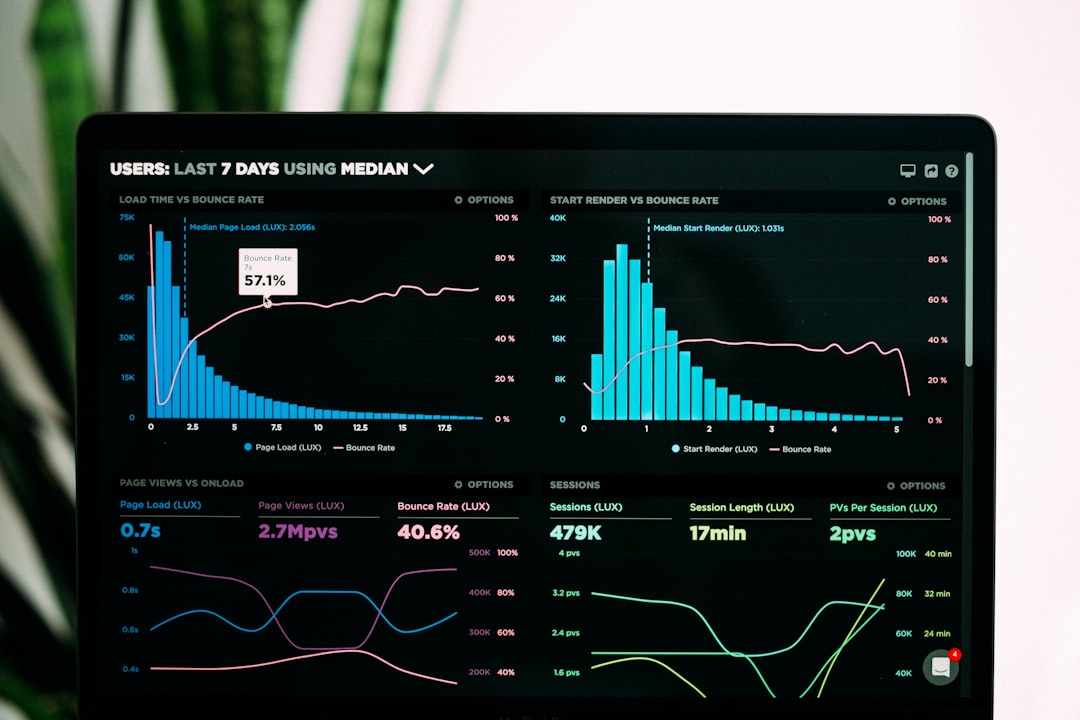
In blended environments, teachers can also use AI-generated insights to better understand their students. Dashboards highlight who needs help, which concepts are problematic, and where instruction can be improved. This data-informed approach enables more meaningful human interaction rather than replacing it.

Workforce training and lifelong learning are areas where personalized AI learning is having an especially rapid impact. Employers increasingly need to reskill workers as technologies and job requirements change. Traditional courses, with fixed schedules and broad content, struggle to meet these demands.
AI-driven platforms can assess an employee’s existing skills and design a learning path that targets only what is needed, saving time and resources. Learners progress based on demonstrated competence, not seat time, making training more efficient and relevant. This model supports lifelong learning by fitting education into busy professional lives rather than requiring long absences from work.
Equity and accessibility considerations are central to the promise and risk of personalized AI learning. On one hand, adaptive systems can support learners with disabilities, language barriers, or nontraditional backgrounds by tailoring instruction to their needs. Features such as real-time feedback, alternative explanations, and flexible pacing can level the playing field.
On the other hand, these systems rely heavily on data, which raises concerns about privacy, bias, and transparency. If algorithms are trained on biased datasets or used without oversight, they may reinforce existing inequalities rather than reduce them. Responsible design, clear governance, and human oversight are essential to ensure personalization benefits everyone.
The future of courses in an AI-driven world looks less like a static syllabus and more like a living system. Courses may become modular, with AI assembling and reassembling content to fit each learner’s journey. Credentials could shift from course completion to demonstrated competencies, verified through continuous assessment.
As personalized AI learning matures, the distinction between learning and working may blur. Education becomes an ongoing, adaptive process embedded in daily life rather than a discrete phase completed early on. While challenges remain, the replacement of one-size-fits-all courses signals a move toward a more humane, effective, and learner-centered model of education.
Frequently Asked Questions
- How is personalized AI learning different from traditional e-learning?
Traditional e-learning usually delivers the same content to everyone, while personalized AI learning adapts content, pace, and methods for each individual based on ongoing data analysis. - Does personalized AI learning replace human teachers?
No. It changes their role by automating routine tasks and freeing educators to focus on mentorship, creativity, and social aspects of learning. - Is personalized AI learning effective for all age groups?
Yes, it can support learners from early education to professional development, as long as systems are designed with appropriate safeguards and learning goals. - What are the main risks of AI-driven personalization?
Key risks include data privacy concerns, algorithmic bias, and overreliance on automation without human oversight. - Will one-size-fits-all courses disappear completely?
They are unlikely to vanish overnight, but their dominance is declining as personalized, adaptive models prove more effective and scalable.
