 logo
logo
Becoming a brand promoter is one of the most accessible ways to enter the marketing world, especially if you enjoy talking to people, creating content, attending events, or recommending products you genuinely like. A brand promoter helps increase awareness, trust, and sales for a company by representing its products or services in front of potential customers. This can happen online, in stores, at events, on social media, or through word-of-mouth campaigns.
TLDR: A brand promoter represents a company by creating interest, explaining products, and encouraging people to buy or engage. You can start with strong communication skills, confidence, basic marketing knowledge, and a professional online presence. Opportunities exist in events, retail, social media, affiliate marketing, and ambassador programs. Income varies widely, from part-time hourly pay to commission-based earnings and long-term influencer partnerships.
What Does a Brand Promoter Do?
A brand promoter acts as the human connection between a business and its audience. Instead of relying only on advertisements, companies use promoters to create real interactions with potential customers. This may involve demonstrating a product, handing out samples, answering questions, posting about a brand online, or encouraging people to sign up for a service.
For example, a fitness brand may hire promoters to speak with gym members about a new protein drink. A fashion company may work with social media creators to showcase a seasonal collection. A technology brand may send representatives to a trade show to explain how a new device works.
Image not found in postmetaThe role can be casual and part-time, or it can become a serious career path in marketing, sales, or influencer partnerships. What makes it appealing is that you do not always need a degree to begin. Many brands care more about your personality, reliability, communication style, and ability to connect with the right audience.
Key Skills You Need to Become a Brand Promoter
Successful brand promoters combine confidence with authenticity. They are not simply “selling” all the time; they are building interest and trust. The most important skills include:
- Communication: You must explain products clearly, answer questions, and adjust your message depending on the customer.
- Confidence: Whether you are approaching shoppers in a store or speaking on camera, confidence helps people trust you.
- Product knowledge: A good promoter understands the brand, its benefits, pricing, and what makes it different from competitors.
- Social awareness: Reading body language, knowing when to engage, and recognizing customer interest are valuable skills.
- Sales ability: While not every role is commission-based, promoters often need to encourage sign-ups, purchases, or trial use.
- Content creation: For online promotion, basic photography, video, caption writing, and storytelling can make you more attractive to brands.
- Reliability: Showing up on time, following campaign instructions, and reporting results professionally can lead to repeat work.
Authenticity is especially important. People can usually tell when a promoter is reciting a script without belief or enthusiasm. The more naturally you can connect the product to a customer’s need, the more effective you become.
Types of Brand Promoter Opportunities
Brand promotion is not limited to one kind of job. Depending on your interests, schedule, and personality, you can choose from several paths.
1. Event and Experiential Promotion
Event promoters work at trade shows, festivals, sports events, product launches, concerts, and pop-up experiences. Their job is to attract visitors, explain the brand, distribute samples, collect leads, or support event activities. This path is ideal if you are energetic, outgoing, and comfortable standing or speaking for long periods.
2. Retail and In-Store Promotion
Retail promoters represent products inside stores, malls, supermarkets, or showrooms. You may demonstrate appliances, offer food samples, recommend cosmetics, or explain electronics. This type of promotion often pays hourly and may include sales bonuses.
3. Social Media Brand Promotion
Social media promoters use platforms such as Instagram, TikTok, YouTube, Facebook, or LinkedIn to introduce brands to their followers. You do not always need millions of followers. Many companies work with micro-influencers because they often have stronger trust and engagement within a specific niche.
4. Affiliate and Referral Promotion
Affiliate promoters earn money when someone buys through their unique link or code. This model is common in software, fashion, beauty, online courses, fitness products, and subscription services. It can become highly profitable, but income depends on traffic, trust, and conversion rates.
5. Campus or Community Ambassador Programs
Some brands hire students or local community members as ambassadors. These promoters host small events, share discount codes, post online, and introduce the brand to a specific audience. It is a great entry point for people who want marketing experience while studying or working another job.
How to Get Started
You can begin as a brand promoter by building a simple but professional presence and applying for entry-level opportunities. Here are practical steps:
- Choose your niche. Decide whether you are interested in beauty, fitness, tech, food, fashion, travel, gaming, finance, or another area. Brands prefer promoters who understand their audience.
- Create a basic portfolio. Include photos, short videos, previous event experience, social media stats, testimonials, or examples of content you have made.
- Improve your social profiles. Use a clear profile photo, write a concise bio, and make sure your posts reflect the kind of brands you want to attract.
- Apply to promotional agencies. Many staffing agencies hire brand ambassadors for events and in-store campaigns.
- Contact brands directly. Send a short message explaining who you are, your audience or experience, and how you can help promote their product.
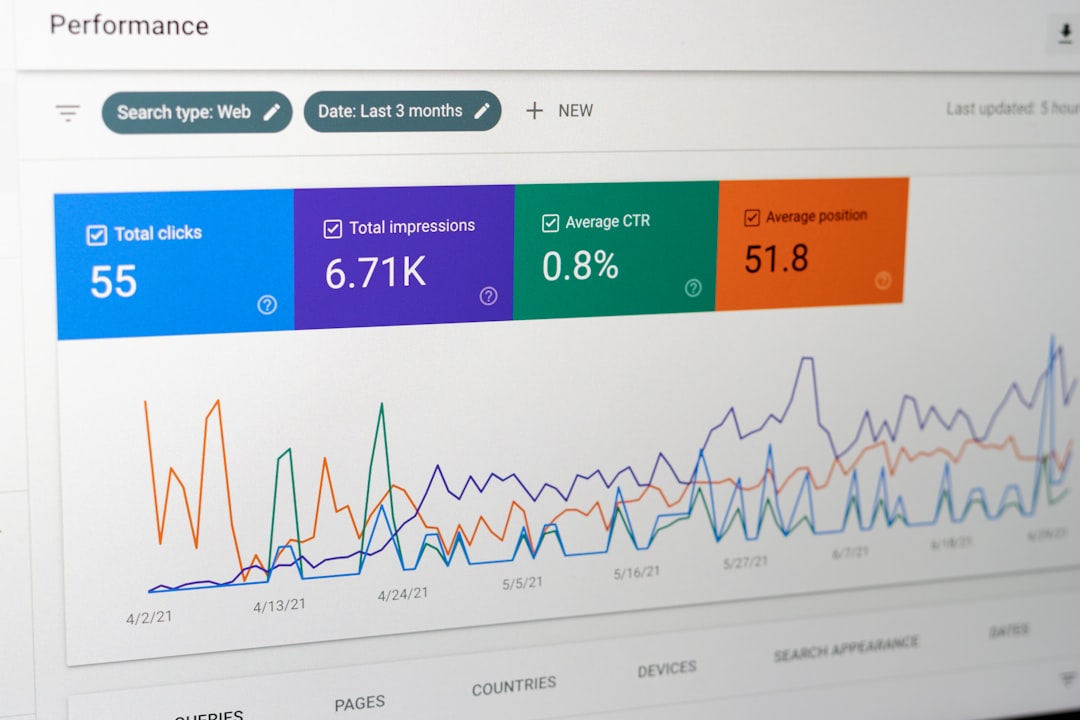
- Track your results. Note how many samples you distributed, sign-ups collected, sales generated, impressions gained, or clicks produced.
A simple message such as, “I create fitness content for beginners and would love to introduce your product to my audience through a short video and discount code,” can be more effective than a long, generic pitch.
Income Potential: How Much Can Brand Promoters Make?
Income varies based on location, experience, brand size, and payment structure. Event and retail promoters may earn an hourly rate, often ranging from entry-level part-time pay to higher rates for specialized product demonstrations. In competitive markets or premium events, experienced promoters may earn significantly more.
Social media brand promoters may be paid per post, per campaign, through free products, or through affiliate commissions. A beginner might receive products and small fees, while a creator with a loyal audience can charge hundreds or thousands per campaign. Affiliate marketers may earn modest side income or, with strong traffic and high-converting offers, build a full-time revenue stream.
Common payment models include:
- Hourly pay: Common for events, sampling, and retail activations.
- Flat campaign fee: A set amount for specific deliverables, such as posts or event appearances.
- Commission: Payment based on sales, leads, or sign-ups.
- Free products or perks: Often offered to beginners or smaller creators.
- Long-term retainers: Ongoing monthly partnerships for consistent promotion.
To increase your earning potential, focus on measurable results. Brands are more likely to pay well when you can prove that your promotion leads to engagement, sales, foot traffic, or qualified leads.
Tips for Standing Out
The best brand promoters are professional, prepared, and memorable. Before promoting any product, learn the brand story, customer pain points, and key benefits. Practice describing the product in a natural way rather than sounding overly scripted.
It also helps to develop a personal style. Maybe you are the friendly expert who explains products simply, the energetic event host who draws a crowd, or the creative content maker who turns ordinary products into engaging stories. A recognizable style makes brands more likely to remember and rehire you.
Finally, protect your reputation. Promote products you believe are useful, safe, and appropriate for your audience. Short-term money is not worth losing long-term trust. In brand promotion, credibility is one of your strongest assets.
Final Thoughts
Becoming a brand promoter can be a flexible side hustle, a stepping stone into marketing, or a full-time career. The path rewards people who communicate well, stay reliable, understand audiences, and know how to create genuine excitement around a product. Start small, build experience, collect results, and treat every campaign as a chance to improve. With the right skills and consistency, brand promotion can open doors to sales, content creation, partnerships, and broader opportunities in the marketing industry.