 logo
logo
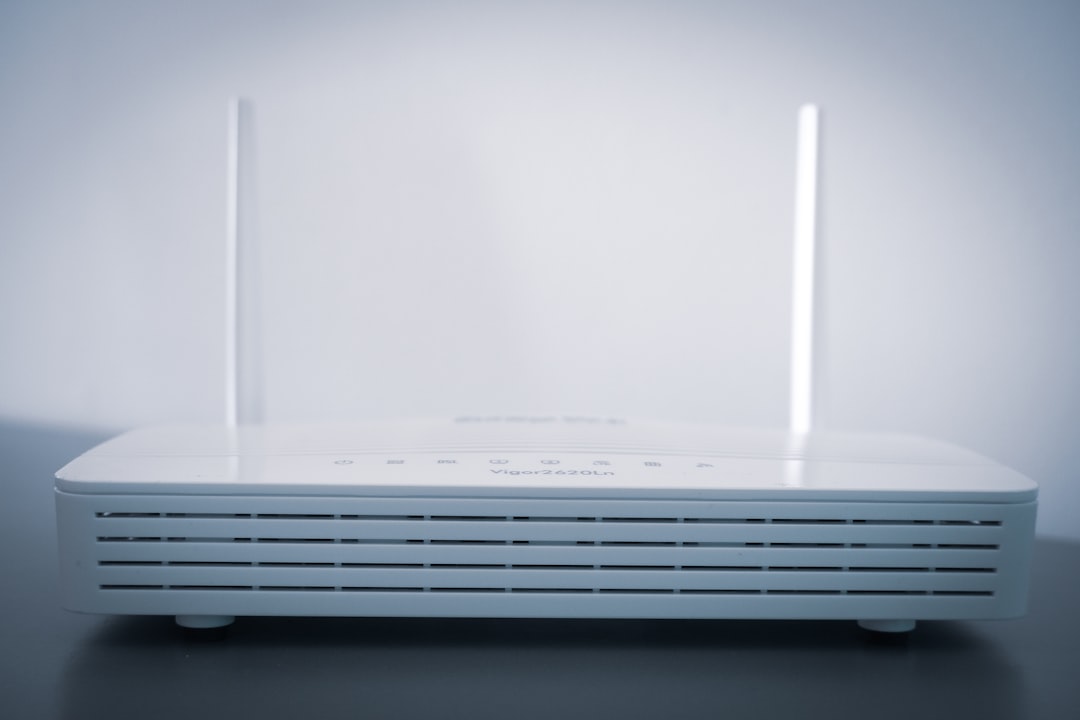
Pay-as-you-go internet works best for light users, temporary homes, renters, students, and anyone who refuses to sign a long contract for service they may not use. It can be cheaper than a standard broadband plan, but only when the household understands speed limits, refill rules, and data caps before paying.
TLDR: A pay-as-you-go ISP usually offers home internet without a long contract, while mobile data offers internet through a phone, hotspot, or SIM plan. For example, a student who needs internet for 90 days may spend $45 per month on prepaid home internet instead of signing a 12-month plan at $70 per month, saving around $75 over the term. Mobile data is better for travel and backup use, but heavy streaming can burn through 50 GB in a week. The best choice depends on usage, location, speed needs, and how often the connection is needed.
What Is a Pay-As-You-Go ISP?
A pay-as-you-go ISP is an internet provider that lets customers pay upfront, often monthly, without a long service contract. Some plans are prepaid home broadband. Others are fixed wireless, satellite, community internet, or hotspot-based services sold as flexible plans.
The term can be confusing. Honestly, it feels like some providers use “pay as you go” when they really mean “pay before service starts.” A true usage-based plan charges based on time or data used. Many so-called pay-as-you-go plans still charge a flat fee for 30 days of access.
Common features include:
- No long contract: Service can often be stopped after the paid period ends.
- Prepaid billing: The customer pays before using the connection.
- Basic setup: Some plans use a modem, router, SIM card, or wireless receiver.
- Limited extras: Bundles, premium support, and promotional perks are often missing.

Pay-As-You-Go ISP vs Mobile Data
Pay-as-you-go home internet and mobile data often solve the same problem: flexible access. They do it in different ways.
Pay-as-you-go ISP service is usually better for a fixed location. It may serve a small apartment, vacation cabin, dorm room, or temporary office. The connection may come through cable, fiber, fixed wireless, or satellite, depending on the provider.
Mobile data is better for personal use on the move. It works through smartphones, tablets, hotspot devices, and eSIM plans. It shines for travel, backup internet, and short bursts of work outside the home.
| Option | Best For | Main Risk |
|---|---|---|
| Pay-as-you-go ISP | Home use, seasonal stays, renters | Setup fees, slower activation, limited availability |
| Mobile data | Travel, backup access, single users | Data caps, throttling, weak indoor signal |
| 5G home internet | Homes near strong mobile towers | Speeds can drop during busy hours |
| Public Wi Fi or coworking | Short sessions and low-cost access | Privacy, noise, unreliable performance |
When Pay-As-You-Go Home Internet Makes Sense
Prepaid or no-contract home internet makes sense when usage is steady but the service period is uncertain. A household staying in an apartment for four months may not want installation drama or early termination fees.
It is also useful for people rebuilding credit, avoiding automatic billing, or keeping internet separate from a landlord’s shared network. Seasonal property owners may activate service only during busy months.
The strongest use cases include:
- Students renting for one semester.
- Remote workers on short assignments.
- Vacation homes used only part of the year.
- Renters who move often.
- Households on strict budgets that prefer prepaid costs.
The catch is that setup can be annoying. Some providers still require equipment pickup, address checks, or a technician visit. Waiting two extra days for activation can ruin the whole point of “flexible” internet.
When Mobile Data Is the Better Choice
Mobile data wins when the user needs internet in many places. A phone hotspot can support email, maps, messaging, banking, and quick video calls. eSIM plans can be activated in minutes on supported phones, which is useful for travelers.
Mobile data also works well as backup internet. If a home connection fails, a hotspot can keep a laptop online. For many households, a phone plan with 30 GB to 100 GB of hotspot data is enough for emergencies.
Still, mobile data gets expensive fast for entertainment. A single hour of HD video can use about 2 GB to 3 GB. A household streaming two hours per night may burn 120 GB to 180 GB in a month. That can trigger throttling, extra charges, or painful slowdowns.

Flexible Connectivity Alternatives
Pay-as-you-go ISP service and mobile data are not the only choices. Some users get better results by mixing options.
- 5G home internet: Often contract-free and simple to install. It can be great where signal is strong.
- Fixed wireless: Common in rural or suburban areas. It uses a receiver pointed toward a tower.
- Satellite internet: Useful where wired service is absent. Latency and weather issues may affect performance.
- Public Wi Fi: Cheap or free, but not ideal for private work or banking without a trusted VPN.
- Coworking spaces: Good for workers who need fast internet a few days per month.
- Library internet: A practical no-cost option for forms, job searches, and research.
Some households combine a cheap prepaid wired plan with mobile data backup. That setup can be more stable than relying on one service. It also limits the damage when a provider has an outage.
Costs to Compare Before Choosing
The monthly price is only part of the bill. Buyers should compare the full cost for the expected service period.
Key costs include:
- Activation fees: Some prepaid services charge a start-up fee.
- Equipment: Routers, modems, hotspots, SIM kits, and antennas may cost extra.
- Data overages: Mobile plans may slow down or charge more after a limit.
- Refill rules: Unused data may expire after 7, 30, or 90 days.
- Return fees: Rental equipment may create charges if it is late or damaged.
A simple test helps. If one person uses under 50 GB per month, mobile data or a hotspot may be enough. If a household uses 300 GB or more, a home internet plan is usually safer. Families that stream, game, and work from home often need unlimited or high-cap broadband.
Speed, Latency, and Reliability
Speed matters, but latency matters too. Latency is the delay between a device and the server it contacts. Video calls, online games, and remote desktops can feel bad even when download speed looks fine.
Wired broadband usually has lower latency than satellite and crowded mobile networks. 5G can be fast, but performance changes by location, building materials, tower load, and weather. A router near a window may beat one placed in a back room by a wide margin.

How to Pick the Right Option
The best choice comes from usage, not marketing. A buyer should estimate monthly data needs first. Then they should check coverage maps, local reviews, speed ranges, and cancellation rules.
A practical decision guide looks like this:
- Choose pay-as-you-go home internet for a fixed address and regular use.
- Choose mobile data for travel, backup access, or low monthly usage.
- Choose 5G home internet if the address has strong carrier coverage.
- Choose coworking or public access for occasional work sessions only.
For many people, the smartest setup is not the fanciest one. It is the one that avoids contracts, painful fees, and surprise slowdowns.
FAQ
Is pay-as-you-go internet the same as prepaid internet?
Often, yes. Many providers use the terms in similar ways. The customer pays before service starts and can stop when the paid period ends.
Is mobile data cheaper than a pay-as-you-go ISP?
It can be cheaper for light use. For heavy streaming, gaming, and multiple users, mobile data often becomes more costly or too slow after limits are reached.
Can a phone hotspot replace home internet?
Yes, for one light user. It is less ideal for families, smart TVs, consoles, and daily video calls.
What is a good data allowance for remote work?
Basic remote work may need 50 GB to 100 GB per month. Heavy video meetings, cloud backups, and file transfers may need much more.
Does pay-as-you-go internet require a credit check?
Many prepaid plans do not require a traditional credit check. Rules vary by provider and service type.
What should customers check before signing up?
They should check total cost, data caps, speed after throttling, equipment fees, coverage, return rules, and how quickly service can be activated.