 logo
logo
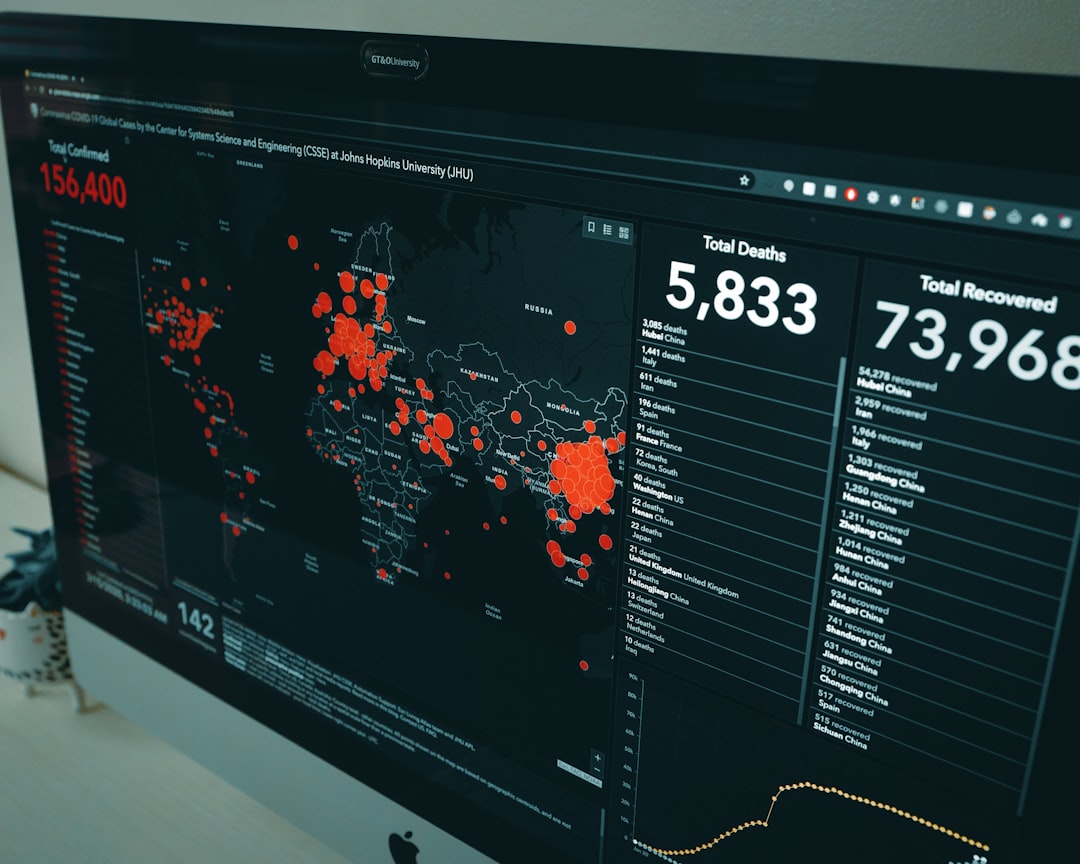
Choosing a financial reporting platform is no longer just about exporting a tidy profit and loss statement. Modern finance teams, accountants, consultants, and business owners need KPI dashboards, rolling forecasts, visual analytics, and client-ready reports that turn accounting data into decisions. Two popular options in this space are Reach Reporting and Fathom, both designed to make financial information easier to understand, share, and act on.
TLDR: Reach Reporting is often a strong fit for firms and businesses that want highly customizable dashboards, flexible reporting layouts, and visual storytelling around KPIs. Fathom is well known for polished financial analysis, benchmarking, forecasting, and advisory-style reports. Both tools integrate with major accounting platforms, but the best choice depends on whether you prioritize custom presentation and KPI design or structured analytics and financial advisory workflows.
Why KPI Dashboards Matter More Than Ever
Financial reports used to be backward-looking documents: revenue last month, expenses last quarter, cash balance at year-end. Today, businesses want to know what is happening right now and what is likely to happen next. This is where KPI dashboards become essential.
A good KPI dashboard does not simply display numbers. It helps answer questions such as:
- Are sales growing fast enough to cover rising costs?
- Is gross margin improving or shrinking?
- How many months of cash runway does the business have?
- Which departments, locations, or products are outperforming?
- What happens if revenue drops by 10% or payroll increases?
Both Reach Reporting and Fathom help translate accounting data into dashboards and reports. However, they approach the experience differently, and that difference matters depending on your workflow.

Reach Reporting: Flexible Dashboards and Visual Reporting
Reach Reporting is built around customization, visual clarity, and report-building flexibility. It is especially appealing to accountants, bookkeepers, fractional CFOs, and internal finance teams that want to create branded, presentation-ready reports without spending hours in spreadsheets.
One of Reach Reporting’s major strengths is its ability to combine financial data, custom KPIs, charts, text explanations, and dashboards in a way that feels highly tailored. Users can create reports that are not only accurate but also easy for non-financial stakeholders to understand.
For example, a business owner may not want to read a 20-page balance sheet analysis. They may want to see a clean chart showing monthly revenue trends, a cash runway indicator, and a short commentary explaining what changed. Reach Reporting is designed for exactly that kind of communication.
Key strengths of Reach Reporting
- Highly customizable dashboards: Users can build dashboards around specific KPIs, clients, industries, or leadership needs.
- Strong visual presentation: Charts, graphs, and layouts can be arranged to tell a clearer financial story.
- Client-friendly reporting: Reports can be designed for readability, making them useful in advisory meetings.
- Custom metrics: Teams can define KPIs that go beyond standard accounting figures.
- Interactive analysis: Users can drill into data and explore performance from different angles.
Reach Reporting is particularly useful when you need financial reports that feel less like accounting exports and more like executive briefings. It gives you room to explain the “why” behind the numbers.
Fathom: Structured Analytics, Forecasting, and Advisory Reports
Fathom is another respected platform in financial analytics and management reporting. It is widely used by accountants, advisory firms, and businesses that want strong financial interpretation, KPI tracking, forecasting, and benchmark-style insights.
Where Reach Reporting leans heavily into customization and visual report composition, Fathom is known for its structured approach to financial analysis. It helps users evaluate profitability, cash flow, growth, efficiency, and other performance areas through a clear analytical framework.
Fathom’s dashboards and reports tend to feel polished and professional out of the box. For firms offering advisory services, this can be especially valuable because it creates a repeatable process for reviewing client performance, discussing trends, and planning future scenarios.
Key strengths of Fathom
- Financial analysis framework: Fathom organizes business performance into clear categories and metrics.
- Forecasting tools: Users can create forecasts and scenarios to support planning conversations.
- Beautiful standard reports: Reports are polished, professional, and suitable for management or clients.
- Consolidated reporting: Fathom supports group reporting, useful for multi-entity businesses.
- Benchmarking and tracking: Teams can compare performance against targets and historical trends.
If your priority is structured financial analysis with strong forecasting and advisory workflows, Fathom is a compelling choice.
KPI Dashboards: Customization vs Structure
When comparing Reach Reporting vs Fathom for KPI dashboards, the key difference is flexibility versus structure.
Reach Reporting gives users broad control over dashboard layouts and the way information is presented. If you want to create a dashboard for a SaaS company with metrics like monthly recurring revenue, churn, customer acquisition cost, and cash runway, Reach Reporting makes it relatively easy to design something specific to that business model.
Fathom, on the other hand, provides a more standardized dashboard experience centered around financial performance. It is excellent for users who want a professional dashboard without building every element from scratch. Its structure can be a strength because it guides users toward meaningful financial interpretation.
In practice, the choice depends on your audience. If your audience wants a personalized story with custom metrics, Reach Reporting may feel more adaptable. If your audience wants consistent, professional financial analysis across multiple clients or entities, Fathom may be more efficient.

Forecasting: Planning for What Comes Next
Forecasting is one of the most important areas in modern financial analytics. A business that understands its future cash position, revenue expectations, and cost structure can make better decisions about hiring, investment, pricing, and growth.
Fathom has a strong reputation for forecasting. It allows teams to create financial forecasts, model scenarios, and compare projected performance against actual results. This is valuable for advisory conversations because it helps move the discussion from “what happened?” to “what should we do next?”
Reach Reporting also supports forward-looking analysis, especially through customizable dashboards and reporting features. Its strength is in presenting forecasts and KPIs in a visual, accessible format. If the goal is to communicate a forecast clearly to business owners or department heads, Reach Reporting can be very effective.
For example, a CFO might use forecasting to show three scenarios:
- Base case: Revenue continues growing at the current monthly rate.
- Optimistic case: Sales increase due to a successful marketing campaign.
- Conservative case: Revenue slows while expenses remain fixed.
The best tool is the one that helps stakeholders understand those scenarios quickly and trust the assumptions behind them.
Financial Analytics: Turning Data into Decisions
Financial analytics goes beyond producing reports. It involves identifying patterns, diagnosing problems, and recommending actions. Both platforms support this, though they emphasize different parts of the process.
Fathom excels at structured financial interpretation. It can help identify profitability trends, cash flow concerns, margin changes, and performance gaps. For accountants and advisors, this makes it easier to facilitate strategic conversations with clients.
Reach Reporting excels at communicating insights visually. Its dashboards and reports can combine charts, written commentary, and custom KPIs to create a narrative. This is useful when stakeholders are not financially trained and need the information translated into plain business language.
Consider a retail company with growing revenue but shrinking profit. A standard report may show the numbers, but a good analytics dashboard can reveal that cost of goods sold is rising faster than sales. An even better report can explain that margins are being squeezed by supplier price increases and recommend reviewing pricing or vendor contracts.
Integrations and Data Flow
Both Reach Reporting and Fathom integrate with common cloud accounting platforms such as QuickBooks Online and Xero. These integrations are important because they reduce manual data entry and help dashboards stay current.
When evaluating either tool, consider the following:
- Which accounting platforms do you use?
- Do you need multi-entity consolidation?
- How often should data refresh?
- Do you rely on non-financial data sources?
- Will reports be used internally, externally, or both?
Data quality also matters. No reporting platform can fully compensate for messy bookkeeping, inconsistent categories, or poorly maintained accounting records. Before implementing either solution, it is worth cleaning your chart of accounts and confirming that key transactions are categorized correctly.
Ease of Use and Learning Curve
Reach Reporting may appeal to users who enjoy building highly customized reports and dashboards. That flexibility can be powerful, but it also means users should spend time learning how to design clear layouts and select meaningful visuals.
Fathom often feels more guided. Its structured reports and built-in financial analysis tools can help users get started quickly, especially if they are comfortable with standard management reporting and advisory workflows.
Neither platform is simply “better” for everyone. The better choice depends on whether your team values creative control or guided financial analysis more.

Which Platform Is Better for Accountants and Advisors?
For accounting firms, both platforms can support advisory services. The decision often comes down to how the firm wants to deliver value.
Choose Reach Reporting if:
- You want highly customized client dashboards.
- You need flexible report layouts and strong visual storytelling.
- Your clients prefer simple, visual explanations over traditional reports.
- You track industry-specific KPIs or non-standard metrics.
Choose Fathom if:
- You want structured financial analysis and polished standard reports.
- You regularly provide forecasting and scenario planning.
- You manage multiple clients and need repeatable advisory workflows.
- You need group or consolidated reporting for multi-entity clients.
Which Platform Is Better for Business Owners?
For business owners, the decision is less about software features and more about how you use financial information.
If you want an easy-to-understand dashboard that highlights your most important KPIs in a customized format, Reach Reporting may be the better fit. It can help translate accounting data into a visual management tool.
If you want deeper financial analysis, forecasting, and a structured view of business performance, Fathom may be more useful. It is particularly helpful for owners who want to understand profitability, cash flow, and future scenarios in a disciplined way.
Final Verdict: Reach Reporting vs Fathom
The comparison between Reach Reporting vs Fathom is not about one platform winning everywhere. It is about matching the platform to the job.
Reach Reporting is excellent for customizable dashboards, flexible reporting, visual KPI tracking, and clear communication. It shines when financial information needs to be tailored to specific audiences and presented in a compelling way.
Fathom is excellent for structured financial analytics, forecasting, performance management, and advisory reporting. It shines when users want a proven framework for analyzing financial health and planning ahead.
Ultimately, both tools can help businesses move beyond static spreadsheets and into more meaningful financial conversations. The best choice is the one your team will actually use consistently: the platform that makes your numbers clearer, your forecasts more useful, and your decisions more confident.
