 logo
logo
Choose Sprout Social if your team needs social audience insights tied to publishing, engagement, and customer care; choose Talkwalker if you need broader consumer intelligence across social, news, forums, blogs, podcasts, and visual content. Both platforms can reveal what an audience talks about, feels, shares, and expects. The better choice depends on whether you care most about managing social relationships or studying the market at scale.
TLDR: Sprout Social is better for brands that want audience analysis connected to daily social media work, such as replying to comments, reporting on followers, and tracking campaign response. Talkwalker is stronger for deep social listening, trend detection, competitive monitoring, and audience segmentation across more data sources. For example, a skincare brand tracking 50,000 monthly mentions might use Talkwalker to find that 18% of negative chatter comes from “sticky texture” complaints, then use Sprout Social to route 320 product questions per day to its care team. If you need insight plus workflow, pick Sprout; if you need research depth, pick Talkwalker.
What each platform is really built for
Sprout Social is built around social media management. Its audience insights are useful because they sit close to the work: publishing posts, reading messages, replying to customers, reviewing analytics, and building reports. You can see who follows you, when they engage, what content performs, and how conversations shift around your brand.
Talkwalker is built around consumer intelligence. It watches a much wider set of public conversations and turns them into trends, topics, sentiment, audience clusters, and competitive benchmarks. It is better suited for research teams, brand strategists, insight teams, and agencies that need to understand what people say beyond owned channels.
That difference matters. Sprout answers, “How is our audience responding to our social presence?” Talkwalker answers, “What is the market saying, and what does it mean?”
Audience data: owned communities vs wider public conversation
Sprout Social shines when analyzing people already connected to your brand. It can show follower growth, engagement patterns, audience demographics, inbound message volume, profile performance, and post level results. For many social teams, that is enough. You can quickly see which content themes pull in saves, replies, clicks, and comments.
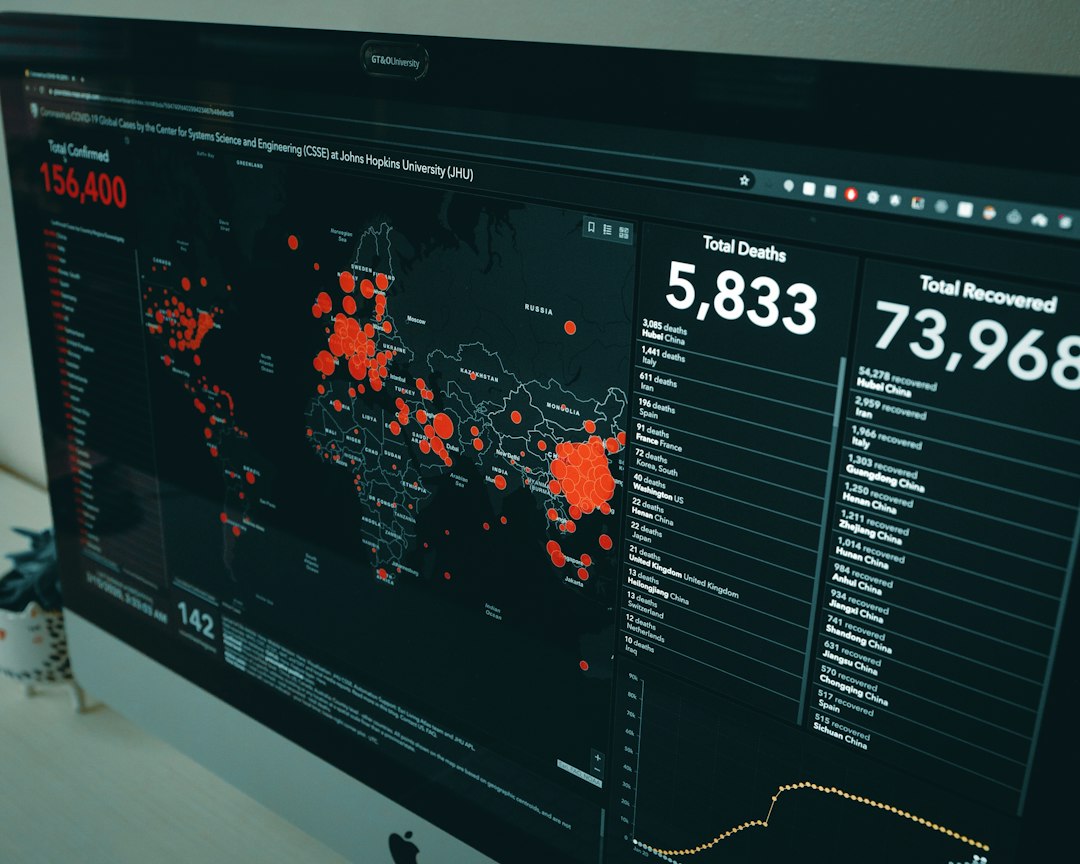
Talkwalker goes wider. It can collect data from social networks, online news, blogs, forums, review sites, video platforms, and other public sources. It also supports image and logo recognition, which is useful when people post photos without tagging the brand. That kind of coverage helps spot hidden conversation. A soda brand, for instance, may find its logo appearing in festival photos even when no one mentions the brand name.
The catch is that more data also means more noise. Talkwalker can surface valuable signals, but you often need tight query rules to avoid irrelevant mentions. Expect to waste time on Boolean cleanup if your brand name is common, short, or used in other contexts.
Sentiment and topic analysis
Both tools offer sentiment analysis, but they serve different needs. Sprout’s sentiment features are practical for support and engagement. If a product launch causes a spike in angry comments, your team can see the trend and respond faster. It is useful for day to day monitoring.
Talkwalker offers more advanced text analytics. It groups conversations into themes, tracks emotion shifts, and compares sentiment by audience, location, channel, or competitor. This is valuable when the question is not just whether sentiment is positive or negative, but why it changed.
For example, a streaming service might see negative sentiment rise by 22% after a price increase. Sprout can help the social team track and manage the incoming complaints. Talkwalker can show whether anger comes from loyal users, casual viewers, gaming communities, local markets, or media coverage.
Reporting and dashboards
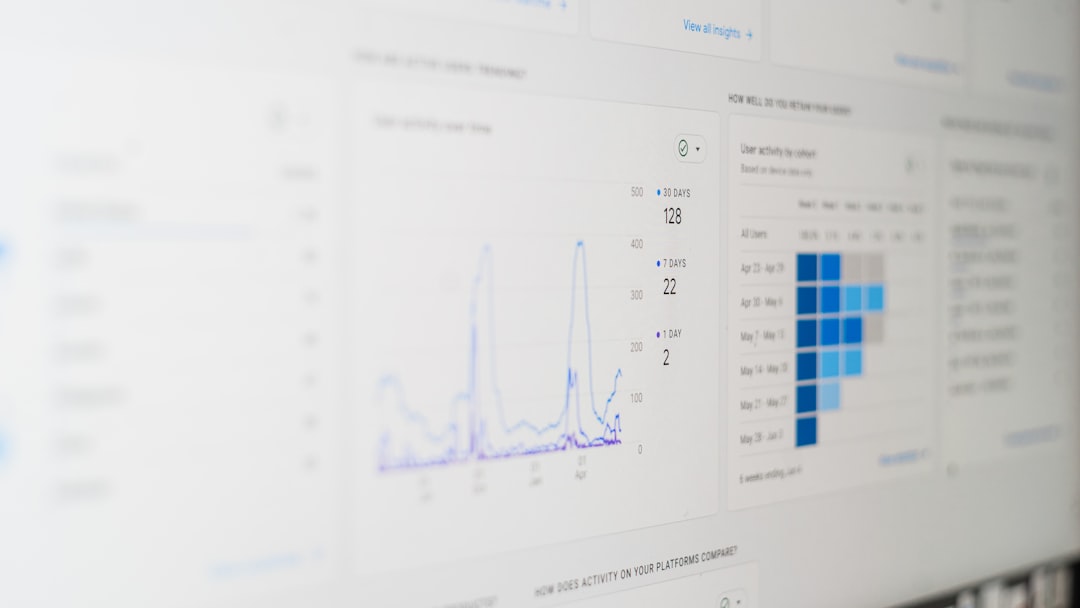
Sprout Social is easier for standard social reporting. Its reports are clean, clear, and friendly for managers who want answers fast. You can report on engagement, impressions, clicks, profile growth, response time, content performance, and competitor activity. Reports look polished without much setup.
Talkwalker dashboards are more flexible and more research focused. You can build views around brand health, purchase intent, crisis alerts, product feedback, influencer communities, campaign lift, or regional discussion. The tradeoff is setup time. Honestly, it feels like Talkwalker asks you to think like an analyst before it gives you the good stuff.
- Sprout Social reports: best for social managers, executives, customer care leads, and content teams.
- Talkwalker dashboards: best for insight analysts, brand strategists, PR teams, and agencies.
- Sprout is faster to explain. Talkwalker is deeper once configured well.
Engagement workflows and customer care
This is where Sprout Social has a clear edge. Its Smart Inbox pulls messages, comments, mentions, and reviews into one place. Teams can assign replies, tag messages, track response time, and create internal workflows. That makes audience analysis actionable. You are not just seeing that customers are upset. You can assign those messages and fix issues.
Talkwalker is not designed to be a primary social inbox. It can help detect spikes, risks, influencers, and themes, but it is not as strong for managing replies across social accounts. If your audience analysis needs to connect directly to service tickets, community management, or daily moderation, Sprout is the safer fit.
Image not found in postmeta
Competitive analysis
Sprout Social offers useful competitor reports for social profiles. You can compare engagement, content volume, audience growth, and post performance. This works well when you want to know how your Instagram, Facebook, LinkedIn, TikTok, or X presence stacks up against close rivals.
Talkwalker goes further. It can compare share of voice, sentiment, earned media, topics, audience interests, and regional conversation across a full market. If three competitors are fighting over the same consumer need, Talkwalker can show which brand owns which conversation. It can also reveal white space. For example, one protein snack brand may dominate “high protein,” while another quietly wins “low sugar” among parents.
Influencer and audience discovery
Sprout helps identify content and people driving engagement with your profiles. That is useful for community building and creator relationship tracking. It is especially strong when paired with campaign reporting.
Talkwalker is better for discovering voices outside your existing community. It can identify influential accounts, journalists, creators, niche forums, and conversation hubs around a topic. It can also expose unexpected audience segments. A running shoe brand might discover that nurses discuss its shoes more often than marathon runners during certain months. That insight can shape ads, product messaging, and retail partnerships.
Ease of use
Sprout Social is generally easier to learn. A social media manager can get value quickly because the interface follows familiar tasks: publish, respond, analyze, report. The learning curve is moderate, not painful.
Talkwalker requires more planning. You need to define topics, search logic, exclusions, dashboards, user roles, and alert rules. For simple use cases, that can feel heavy. For complex research, it pays off.
The annoying bit? A weak Talkwalker query can make a dashboard look impressive but wrong. A weak Sprout setup is usually easier to spot because the data is closer to your connected accounts.
Best fit by team type
- Social media teams: Sprout Social is usually the better daily tool.
- Customer care teams: Sprout wins because of inbox, tagging, and assignment workflows.
- Brand strategy teams: Talkwalker is stronger for broad consumer research.
- PR and crisis teams: Talkwalker is better for early warning signals across channels.
- Agencies: The choice depends on service mix. Use Sprout for social execution. Use Talkwalker for insight reports and market monitoring.

Pricing and value
Sprout Social pricing is usually easier to understand at the seat and feature level, though costs can rise as teams add users, social profiles, premium analytics, or listening features. It offers strong value when one platform can replace separate publishing, inbox, and reporting tools.
Talkwalker is often a larger investment and is usually sold around business needs, data access, and scale. It makes sense when insights influence major decisions, such as product development, market entry, crisis response, campaign planning, or competitive positioning.
Final recommendation
Pick Sprout Social if you want social audience analysis that helps your team act today. It is practical, clear, and tied to real engagement. It works best when your main questions are about followers, content, response time, campaign results, and customer messages.
Pick Talkwalker if you need a broader read on consumers, competitors, and culture. It is the stronger choice for detecting trends, measuring public perception, researching segments, and finding signals outside owned channels.
For many mid sized and enterprise brands, the best setup is not either one. It is both. Talkwalker finds the market signal. Sprout turns that signal into social action.