 logo
logo
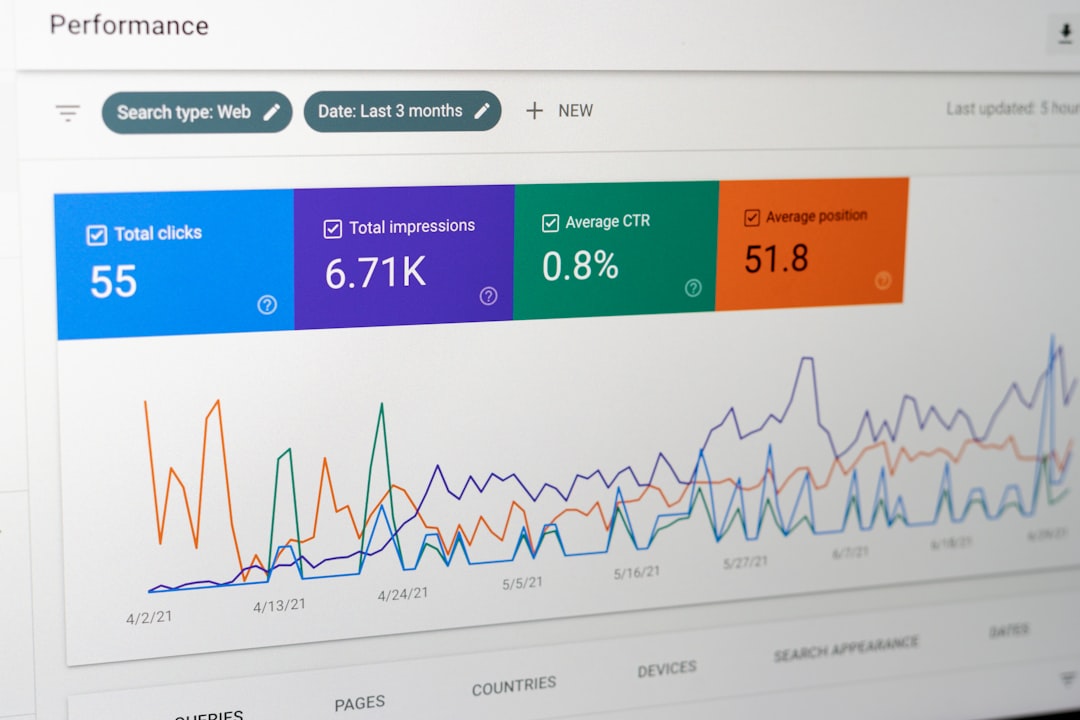
Enterprise accessibility has moved from a compliance checkbox to a core digital quality requirement. Large organizations need platforms that can scan thousands of pages, support design and development teams, document remediation, and reduce legal and reputational risk while improving experiences for people with disabilities.
TLDR: The strongest enterprise accessibility SaaS platforms combine automated testing, manual expert review, monitoring, reporting, and workflow integrations. Deque, Level Access, Siteimprove, AudioEye, Evinced, Fable, and UserWay are among the most recognized options for large organizations. The best choice depends on whether an enterprise prioritizes developer tooling, governance, user research, monitoring, or managed remediation.
What Enterprises Should Look For
Accessibility SaaS for enterprises should go beyond a simple website scan. A strong platform should help organizations identify accessibility issues, prioritize fixes, assign ownership, verify remediation, and maintain evidence for standards such as WCAG 2.2, ADA, Section 508, and EN 301 549. Mature platforms also integrate with systems such as Jira, Azure DevOps, GitHub, Figma, and CI/CD pipelines.
Enterprises should evaluate platforms based on accuracy, scalability, reporting depth, service quality, support for multiple digital properties, and alignment with internal development workflows.
Top 7 Accessibility SaaS Platforms for Enterprises
1. Deque axe
Deque is widely known for its axe accessibility testing engine, used by many developers and quality teams. Its enterprise offerings support automated scans, browser extensions, CI/CD testing, issue tracking, and organizational reporting. Deque is especially strong for companies that want accessibility embedded directly into engineering workflows.
Best for: enterprises with mature development teams that need reliable testing at scale.
2. Level Access
Level Access offers a broad accessibility platform combined with advisory services, audits, training, and legal risk support. It is designed for large organizations that need a structured accessibility program rather than only technical scanning. Its platform helps teams monitor digital assets, track remediation, and manage accessibility documentation across departments.
Best for: enterprises seeking a full-service accessibility partner with governance support.
3. Siteimprove Accessibility
Siteimprove is a strong option for organizations managing large website portfolios. Its accessibility module scans pages, identifies WCAG-related issues, and provides prioritized recommendations. Because Siteimprove also offers SEO, analytics, and content quality tools, it can appeal to marketing, web governance, and digital operations teams.
Best for: enterprises that want accessibility monitoring alongside broader website quality management.
4. AudioEye
AudioEye combines automated accessibility testing with expert review and managed remediation services. Its platform monitors websites for accessibility barriers and provides reporting, issue detection, and support from accessibility specialists. It can be useful for enterprises that need a blend of technology and hands-on assistance.
Best for: organizations that want ongoing monitoring plus managed accessibility support.
5. Evinced
Evinced focuses heavily on accessibility testing for modern software development. Its platform supports web and mobile testing, developer tools, automation, and integration into quality assurance processes. Evinced is especially relevant for enterprises building complex applications where accessibility needs to be tested continuously before release.
Best for: product-led organizations with complex web and mobile applications.
6. Fable
Fable takes a different but essential approach by connecting enterprises with people with disabilities for user research and accessibility testing. While automated tools can detect many code-level issues, they cannot fully measure real usability. Fable helps teams gather feedback from assistive technology users, including screen reader, magnification, and alternative input users.
Best for: enterprises that want authentic usability insights from disabled users.
7. UserWay
UserWay provides accessibility monitoring, scanning, reporting, and remediation tools, along with an accessibility widget. For enterprises, it offers dashboards, compliance support, and services intended to help manage accessibility across digital properties. Organizations should treat widgets as one part of a broader strategy, not as a substitute for accessible design and development.
Best for: enterprises looking for a combination of monitoring, remediation support, and front-end accessibility tools.
How Enterprises Should Choose
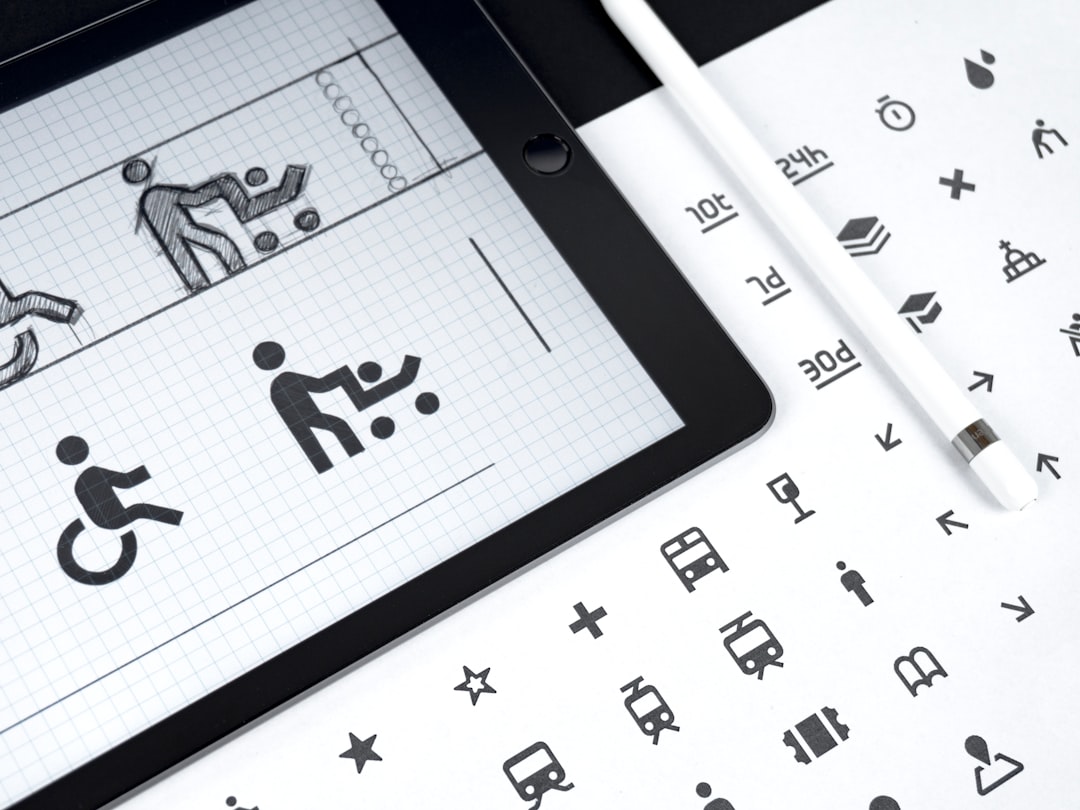
The right platform depends on organizational maturity. A company with strong engineering teams may benefit most from Deque or Evinced. A business that needs program governance and expert services may prefer Level Access or AudioEye. A marketing-heavy organization managing many sites may find Siteimprove practical, while teams investing in inclusive research may add Fable to their toolkit.
Enterprises should also remember that no SaaS platform can guarantee full accessibility on its own. Automated tools often miss issues related to context, keyboard logic, screen reader experience, meaningful labels, cognitive usability, and content clarity. The most effective accessibility programs combine automation, manual audits, user testing, training, and executive accountability.
FAQ
-
What is an accessibility SaaS platform?
It is a cloud-based platform that helps organizations identify, manage, monitor, and remediate digital accessibility issues across websites, applications, documents, or mobile experiences.
-
Can automated accessibility tools find every issue?
No. Automated tools are valuable, but they cannot detect every usability or assistive technology problem. Manual testing and feedback from people with disabilities remain important.
-
Which accessibility standard matters most for enterprises?
Most enterprises align with WCAG 2.2, usually at Level AA. Depending on location and industry, ADA, Section 508, or EN 301 549 may also apply.
-
Are accessibility widgets enough for compliance?
Widgets alone are not enough. They may help with some user preferences, but enterprises still need accessible code, content, design, testing, and remediation.
-
How often should enterprises test accessibility?
Accessibility should be tested continuously during design, development, release, and ongoing monitoring. Large organizations should treat it as part of quality assurance and digital governance.