 logo
logo
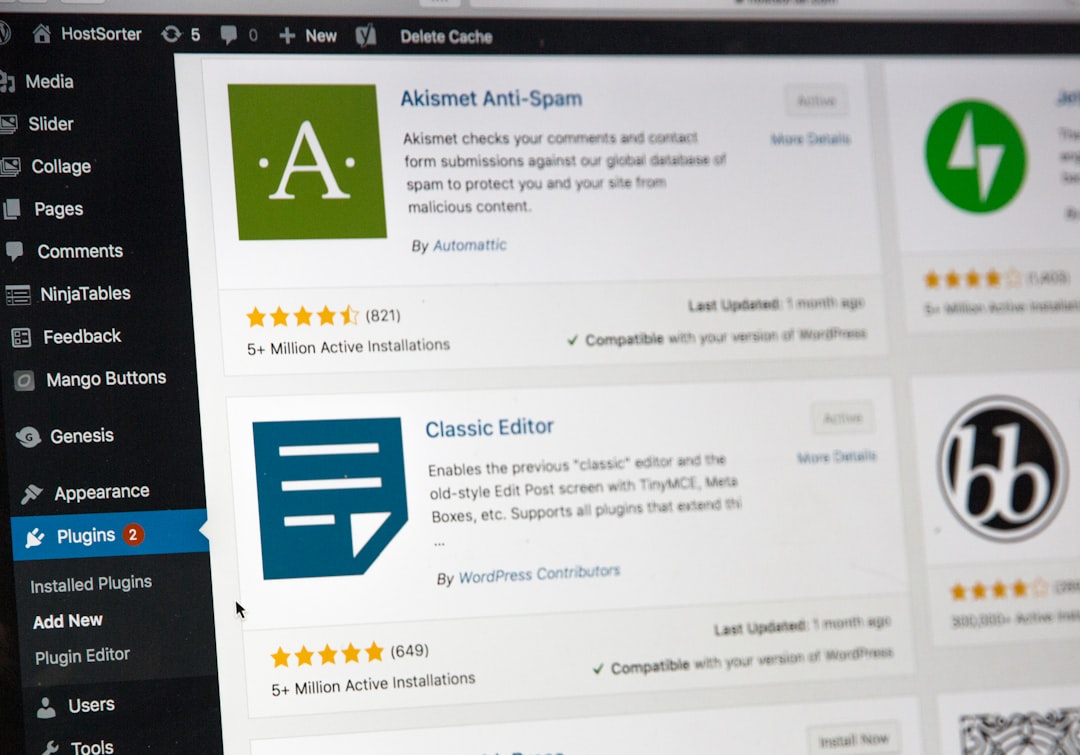
Choosing the right WordPress host in 2026 is less about finding the cheapest plan and more about matching your blog’s goals with the right mix of speed, reliability, support, security, and room to grow. Whether you are launching a personal journal, building a niche affiliate site, or growing a serious media brand, your hosting platform directly affects search performance, reader experience, and how much time you spend fixing technical problems.
TLDR: The best WordPress blog hosting platform in 2026 depends on your budget, traffic expectations, and technical comfort level. WordPress.com is ideal for simplicity, SiteGround and DreamHost are strong all-around choices, while Kinsta, WP Engine, and Rocket.net are better for high-performance professional blogs. Beginners should prioritize easy setup and support, while growing bloggers should focus on managed WordPress features, caching, backups, and scalability.
What Makes a Great WordPress Blog Host in 2026?
Modern blogging is more demanding than it used to be. Readers expect pages to load almost instantly, search engines reward strong technical performance, and bloggers often rely on plugins, email forms, ecommerce tools, analytics, and multimedia content. A good host should not simply “store your website”; it should help your blog perform well under real-world conditions.
When reviewing WordPress hosting platforms, the most important factors are:
- Speed: Fast servers, built-in caching, CDN support, and optimized WordPress infrastructure.
- Uptime: Reliable hosting with minimal downtime, especially during traffic spikes.
- Ease of use: Simple dashboards, one-click WordPress installation, staging tools, and automatic updates.
- Security: SSL certificates, malware scanning, firewalls, and automatic backups.
- Support: Helpful WordPress-aware support, preferably available 24/7.
- Scalability: Plans that let your blog grow without painful migrations.
1. WordPress.com: Best for Simplicity
WordPress.com remains one of the easiest ways to start a WordPress blog in 2026. It handles hosting, updates, security, backups, and basic performance optimization in one place. For writers who want to focus on publishing rather than managing technology, it is a very appealing option.
The main advantage is convenience. You do not need to compare server settings, install security plugins, or worry about maintenance. However, flexibility depends heavily on the plan you choose. Lower-tier plans may feel restrictive if you want advanced plugins, custom monetization, or full design control.
Best for: personal bloggers, writers, hobby blogs, newsletters, and creators who want a low-maintenance setup.
2. SiteGround: Best All-Around Host for Bloggers
SiteGround continues to be a popular choice for bloggers who want a balance of usability, performance, and support. Its managed WordPress tools, daily backups, caching system, and beginner-friendly dashboard make it suitable for new and intermediate site owners.
SiteGround is not always the cheapest option after renewal, but it offers strong value for bloggers who care about reliability and support quality. Its staging features are helpful if you like testing design changes before publishing them live.
Best for: bloggers who want dependable shared or managed WordPress hosting without moving into premium pricing.
3. DreamHost: Best Budget-Friendly WordPress Hosting
DreamHost is a strong choice for bloggers who want affordable WordPress hosting from a long-established provider. It offers WordPress-friendly plans, free SSL, straightforward setup, and generous resources on many packages.
DreamHost is especially attractive for first-time bloggers who want predictable pricing and a lower barrier to entry. While it may not match premium managed hosts in raw speed or advanced tooling, it provides enough performance for many small to mid-sized blogs.
Best for: budget-conscious bloggers, beginners, and content sites that are still building traffic.
4. Hostinger: Best Low-Cost Performance Option
Hostinger has become a major name in affordable WordPress hosting by offering competitive performance at accessible prices. Its dashboard is clean, setup is quick, and many plans include useful features like caching, email, SSL, and automatic backups.
For bloggers, Hostinger is compelling because it offers a lot for the money. That said, the lowest-priced plans may have limits that become noticeable as your traffic grows. If you expect to publish frequently, use many plugins, or run image-heavy content, choose a plan with enough resources from the beginning.
Best for: new bloggers, affiliate sites, and small content projects with tight budgets.

5. WP Engine: Best for Professional WordPress Blogs
WP Engine is a premium managed WordPress host designed for performance, security, and professional workflows. It includes staging environments, automated backups, managed updates, strong caching, and expert WordPress support.
For serious bloggers, publishers, and businesses, WP Engine can save time and reduce technical risk. The main drawback is cost. It is overkill for a casual blog, but it makes sense when your website earns revenue, supports a brand, or receives meaningful traffic.
Best for: professional bloggers, business blogs, content marketing teams, and revenue-generating websites.
6. Kinsta: Best Premium Performance Hosting
Kinsta is another premium managed WordPress platform known for speed, stability, and a polished user experience. Its infrastructure is built for high performance, and its dashboard makes it easy to manage backups, staging, analytics, and site tools.
Kinsta is particularly useful for bloggers who have outgrown basic hosting and want a platform that feels fast and carefully maintained. Its support team is WordPress-focused, which makes a big difference when plugin conflicts or performance issues appear.
Best for: high-traffic blogs, established publishers, membership sites, and bloggers who prioritize performance.
7. Rocket.net: Best for Global Speed
Rocket.net has gained attention for its edge-focused performance and built-in content delivery features. For blogs with international audiences, this can be a major advantage because pages can load quickly for readers in different regions.
Its managed WordPress approach simplifies security, caching, and optimization. Pricing is more premium than basic shared hosting, but the performance benefits are meaningful for bloggers who care about user experience and search visibility.
Best for: global blogs, SEO-focused publishers, and sites with readers spread across multiple countries.
8. Cloudways: Best for Flexible Cloud Hosting
Cloudways is a good fit for bloggers who want cloud hosting power without managing a server entirely on their own. It lets users host WordPress on major cloud providers through a simplified control panel.
The tradeoff is that Cloudways can feel slightly more technical than traditional beginner hosting. However, it offers excellent flexibility and scalability for bloggers who want more control over server resources without becoming full system administrators.
Best for: technically curious bloggers, growing niche sites, and users who want scalable cloud infrastructure.

Quick Recommendations by Blogger Type
- Beginner blogger: WordPress.com, DreamHost, or Hostinger.
- Budget-focused blogger: Hostinger or DreamHost.
- Best overall balance: SiteGround.
- Professional content site: WP Engine or Kinsta.
- International audience: Rocket.net.
- Flexible cloud setup: Cloudways.
How to Choose the Right Platform
Before selecting a host, think about where your blog will be in 12 to 24 months. A personal blog with a few posts per month has very different needs from an affiliate site publishing daily reviews or a media blog running ads, newsletters, and sponsored content.
If you are just starting out, do not overspend too early. Choose a reliable beginner-friendly host, publish consistently, and upgrade when traffic justifies the cost. If your blog already earns money, investing in managed WordPress hosting can be worthwhile because faster performance, better uptime, and expert support can protect your revenue.
Also pay attention to renewal pricing. Many hosting plans look inexpensive at signup but become much more expensive after the first term. Check backup policies, storage limits, migration options, and support availability before committing.
Final Verdict
There is no single best WordPress blog host for everyone in 2026. WordPress.com is the easiest route for hands-off publishing, SiteGround offers the best all-around mix for many bloggers, and DreamHost or Hostinger are excellent affordable starting points. For serious publishing, WP Engine, Kinsta, and Rocket.net provide the performance and reliability needed for growth.
The smartest choice is the one that matches your current stage while leaving room for your next one. Start with the features you truly need, keep your blog fast and secure, and choose a platform that lets you spend more time creating content and less time troubleshooting your website.
