 logo
logo
AI face swapping has moved from novelty filters to a serious part of modern video editing workflows. Whether you are creating comedic social clips, localizing marketing videos, producing synthetic presenters, or testing character concepts, tools similar to AI Video FaceSwap 1.2.4 can save hours of manual editing. However, creators now expect more than a simple face replacement feature: they want better realism, safer consent controls, faster rendering, timeline editing, voice support, and export options that fit professional production.
TLDR: The best alternatives to AI Video FaceSwap 1.2.4 depend on whether you need realistic face swaps, full video editing, avatar generation, or social media speed. Runway, HeyGen, Akool, FaceFusion, and CapCut are among the most useful options for different skill levels. For professional results, prioritize tools with strong tracking, lighting consistency, ethical safeguards, and high resolution exports. Always use face swap technology with consent, transparency, and respect for platform rules.
Why Look for an Alternative?
AI Video FaceSwap 1.2.4 may be useful for simple face replacement tasks, but many creators eventually run into limitations. Some tools struggle with fast head movement, side profiles, glasses, facial hair, expressions, or inconsistent lighting. Others lack editing features, batch processing, commercial licensing, or cloud rendering.
The best modern alternatives are not just “face swap apps.” They are broader AI video editing platforms that can assist with masking, background removal, voiceovers, avatars, captions, scene generation, and post-production. This matters because a convincing face swap is only one part of a polished video. You still need color matching, timing, audio quality, smooth cuts, and a workflow that does not slow down your project.
What Makes a Good AI Face Swap Video Tool?
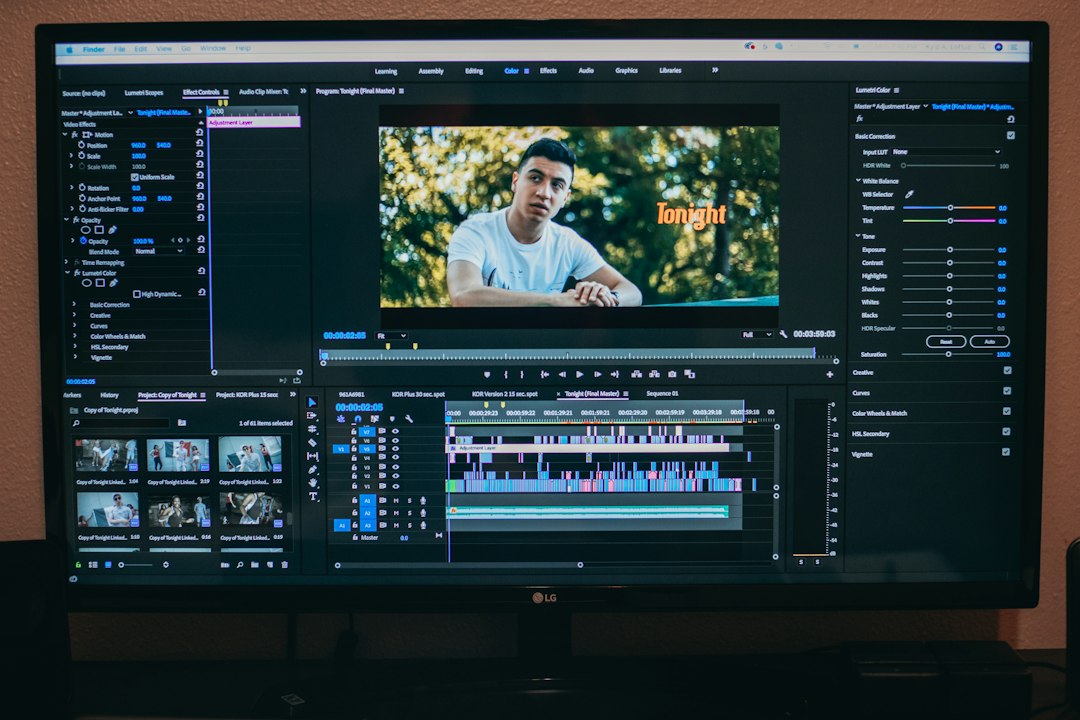
Before choosing a replacement, it helps to know what separates a professional-grade option from a casual one. Look for the following features:
- Accurate facial tracking: The tool should maintain alignment during head turns, blinking, smiles, and quick movements.
- Lighting and skin tone blending: A good swap should adapt to shadows, highlights, and camera exposure.
- High resolution exports: For YouTube, ads, courses, or client work, 1080p or 4K support can be essential.
- Editing timeline: Built-in trimming, transitions, captions, and audio tools can reduce the need for extra software.
- Commercial usage terms: If you are making branded content, check licensing carefully.
- Consent and safety policies: Ethical tools make it harder to misuse real identities or create deceptive media.
1. Runway
Runway is one of the strongest AI video editing platforms for creators who want more than a basic face swap. While it is best known for generative video, background removal, inpainting, and motion tools, its AI-assisted editing environment makes it a practical choice for compositing and identity-related visual workflows.
Runway is especially useful when you need to repair or enhance a shot around a face replacement. For example, you can clean up backgrounds, remove distractions, generate missing frames, or create stylized versions of footage. Its interface is also more approachable than traditional VFX software, which makes it attractive to marketers, social media editors, and independent filmmakers.
Best for: creators who want an all-in-one AI video studio with advanced editing features.
Potential drawback: it may be more expensive than lightweight face swap apps if you only need occasional swaps.
2. HeyGen
HeyGen is popular for AI avatars, video translation, and talking presenter videos. Instead of focusing only on replacing a face in existing footage, HeyGen helps users create business-friendly videos with synthetic presenters, lip sync, and multilingual delivery.
This makes it a strong alternative if your real goal is not merely face swapping, but presentation transformation. For example, a company can create training videos, product explainers, or localized marketing content without filming a presenter every time. HeyGen also emphasizes permissions and identity verification for certain avatar features, which is important for responsible use.
Best for: business videos, AI presenters, training content, and multilingual marketing.
Potential drawback: it is less suitable if you want complete manual control over cinematic footage.
3. Akool
Akool is one of the more direct alternatives for users specifically interested in AI face swapping. It offers face swap, talking photo, avatar, video translation, and marketing-oriented AI tools. The platform is designed for quick commercial content creation, so it can be useful for ads, social posts, e-commerce videos, and localization.
One reason Akool stands out is its balance between accessibility and output quality. You do not need to be a VFX expert to produce a convincing result, yet the tool can handle practical creative tasks beyond simple experimentation. For teams that frequently produce short promotional videos, this kind of speed is valuable.
Best for: marketers, content teams, and creators who need fast face swap results in a browser-based workflow.
Potential drawback: advanced editors may still want external software for final polish.
4. FaceFusion
FaceFusion is a notable choice for users who prefer an open-source or locally controlled workflow. It is often discussed among technical creators because it gives more flexibility than many one-click web apps. If you are comfortable installing software, configuring settings, and working with your own hardware, FaceFusion can be powerful.
The advantage of a local workflow is control. You may have more say over models, processing, privacy, and output settings. This can be helpful for researchers, hobbyists, and editors who want to test different configurations. However, local tools also require more responsibility. You need to understand performance limitations, GPU requirements, and the ethical implications of creating realistic synthetic media.
Best for: technical users, local processing, experimentation, and privacy-conscious workflows.
Potential drawback: setup and tuning can be harder for beginners.
5. Invideo
Invideo takes a broader approach than a dedicated face-swap app, combining face swap as one feature within a larger agentic video generation platform. invideo agent plans a shot and routes it to whichever of 200+ integrated AI models fits best, holding characters, locations, and visual style consistent across an entire project via a persistent context engine, rather than swapping a face into a single isolated clip.
This makes it a useful option when a face swap needs to hold up across a full sequence rather than one shot, a consistent character appearance across multiple scenes, for instance, without the drift that can show up when each generation is handled independently. Invideo Editor, a separate free timeline for assembling and finishing footage, also supports dubbing and multicam, useful for polishing a project once the face-swapped footage exists.
Best for: creators who need face swap consistency held across a full multi-shot project rather than a single clip, and who also want a free editing timeline to finish the result.
Potential drawback: it’s built around full project generation and assembly rather than being a lightweight, single-purpose face-swap app, so it’s a bigger tool than needed for a one-off quick swap.
6. DeepFaceLab
DeepFaceLab is one of the best-known names in face swap technology, particularly among advanced users. It is not the easiest option, but it has historically been used for high-control projects where the creator is willing to spend time training, masking, and refining results.
Compared with simple AI video apps, DeepFaceLab is more like a specialized production tool. It can produce impressive results, but only when used with patience, strong source material, and technical understanding. If you want quick social media edits, it may feel overwhelming. If you want to study the mechanics of face replacement and have control over the process, it remains relevant.
Best for: advanced users who want detailed control and are willing to learn a technical workflow.
Potential drawback: steep learning curve and time-consuming processing.
7. CapCut
CapCut is a strong option for creators who care about speed, templates, captions, filters, and short-form video publishing. While it is not a professional deepfake production suite, it includes many AI-powered editing features that make it useful for social content. Depending on region and feature availability, users may find face effects, portrait tools, background removal, auto captions, and style filters.
The biggest advantage is convenience. CapCut is designed for fast editing, especially for TikTok, Instagram Reels, YouTube Shorts, and mobile-first content. If you want a face swap alternative because you are making memes, skits, reaction videos, or trend-based clips, CapCut may be more practical than a complex AI platform.
Best for: short-form creators, mobile editors, captions, templates, and rapid publishing.
Potential drawback: less control over realistic face replacement and professional compositing.
8. Reface
Reface is well known for entertainment-focused face swaps, GIFs, and social sharing. It is not designed as a full editing suite, but it can be a fun and quick alternative for casual users who want simple results without learning advanced tools.
Reface works best when the editing goal is playful rather than cinematic. It is ideal for quick transformations, humorous posts, and lightweight creative experiments. For business or film work, however, you may need tools with better export control, licensing clarity, and editing depth.
Best for: casual content, memes, simple swaps, and quick social sharing.
Potential drawback: limited professional editing features.
9. Synthesia
Synthesia is another major AI video platform, especially for corporate training, onboarding, education, and internal communications. Like HeyGen, it is more focused on avatar-based video generation than traditional face swapping. Still, it is an excellent alternative if your goal is to create human-presented videos without recording live footage.
Synthesia’s strength is consistency. You can produce polished presenter videos from scripts, choose avatars, add layouts, and generate content in multiple languages. For companies, this can be far more efficient than replacing faces in existing recordings.
Best for: corporate training, educational explainers, and scalable presenter content.
Potential drawback: less suitable for creative face swaps inside existing action footage.

10. Wondershare Virbo
Wondershare Virbo offers AI avatar video creation, text-to-video features, translation, and presenter-style content tools. It is a practical choice for small businesses, educators, and creators who want a guided interface rather than a technical AI lab.
Virbo’s appeal lies in its simplicity. It can help turn scripts into videos, generate spokesperson content, and create promotional material without complicated setup. If AI Video FaceSwap 1.2.4 feels too narrow, Virbo provides a broader content creation environment.
Best for: small business videos, explainers, script-based content, and beginner-friendly AI production.
Potential drawback: not intended for detailed VFX-level face replacement.
11. Adobe Premiere Pro with AI Features
Adobe Premiere Pro is not a dedicated face swap tool, but it remains one of the best choices for serious video editing. With AI-assisted features such as text-based editing, speech enhancement, auto reframing, scene edit detection, and integration with After Effects, it can support a professional workflow around AI-generated assets.
If you generate a face swap using another tool, Premiere Pro is often where you polish the final video. You can correct color, adjust timing, mix audio, add captions, apply effects, and export in professional formats. For creators working with clients, this level of finishing control is hard to replace.
Best for: professional editing, post-production, client work, and finishing AI-generated footage.
Potential drawback: face swapping usually requires plug-ins or companion tools.
How to Choose the Right Alternative
The right tool depends on your project type. If you want quick social content, choose CapCut or Reface. If you want realistic face swapping, consider Akool, FaceFusion, or DeepFaceLab. If you want AI presenters and business videos, HeyGen, Synthesia, or Virbo may be better. If you want professional finishing, use Runway or Premiere Pro as part of a larger workflow.
Also think about how often you will use the software. A casual creator may prefer a mobile app with templates, while an agency may need team accounts, commercial rights, brand controls, and consistent export quality. A technical user may value local processing, while a marketing manager may care more about speed and ease of use.
Ethical and Legal Considerations
Face swap technology can be entertaining and productive, but it also carries real risks. Always obtain consent before using someone’s face, especially in commercial, political, adult, or sensitive contexts. Avoid creating misleading videos that could damage someone’s reputation or deceive viewers. When appropriate, label AI-generated or altered content clearly.
Many platforms have strict policies against impersonation, harassment, misinformation, and non-consensual synthetic media. Responsible creators should treat these rules not as obstacles, but as basic standards for trust. The most sustainable use of AI video tools is not tricking people; it is making production more creative, accessible, and efficient.
Final Thoughts
The best AI Video FaceSwap 1.2.4 alternative is not necessarily the tool with the flashiest demo. It is the one that matches your workflow, skill level, budget, and ethical standards. Akool and FaceFusion are strong choices for face swap focused users, while Runway offers a broader AI editing environment. HeyGen, Synthesia, and Virbo are excellent for avatar-driven business content, and CapCut remains hard to beat for fast social videos.
As AI video editing continues to evolve, face swapping will become just one feature inside larger creative platforms. The smartest approach is to choose tools that help you produce better stories, clearer messages, and more polished videos while respecting the people whose likenesses appear on screen.
