 logo
logo
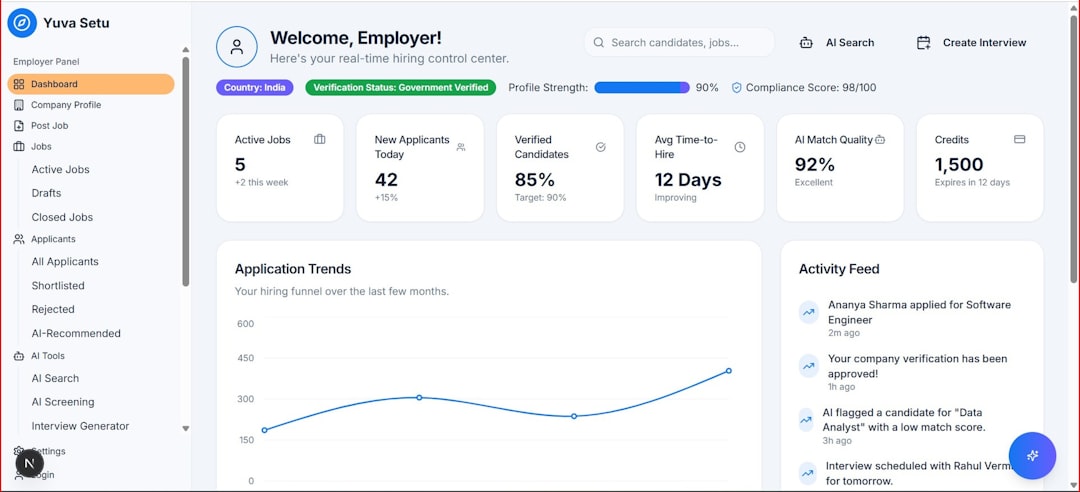
Modern SaaS companies are expected to connect with the tools their customers already use: CRMs, accounting systems, data warehouses, marketing platforms, support desks, collaboration suites, and more. As product ecosystems become more interconnected, integration is no longer a “nice to have” feature; it is a core part of customer value, retention, and scalability. Embedded iPaaS platforms give SaaS providers a practical way to deliver reliable integrations and workflow automation directly inside their own applications.
TLDR: Embedded iPaaS platforms help SaaS companies build, manage, and scale integrations faster without creating everything from scratch. They improve customer experience by enabling in-app connectivity, automation, and data synchronization across popular business systems. They also reduce engineering burden, strengthen reliability, and create opportunities for product differentiation and revenue growth.
What Is an Embedded iPaaS Platform?
An Integration Platform as a Service, or iPaaS, is a cloud-based solution that connects different software applications, systems, and data sources. Traditional iPaaS tools are often used directly by internal IT teams to automate workflows across departments. An embedded iPaaS, however, is designed to be built into another software product, allowing SaaS vendors to offer integrations as part of their own user experience.
Instead of sending customers to a separate third-party integration tool, a SaaS provider can make integrations available inside its own platform. Users can authenticate external apps, map fields, configure workflows, monitor syncs, and manage errors without leaving the product. This creates a smoother and more controlled experience for both the vendor and the customer.

Faster Time to Market for Integrations
Building integrations from the ground up can be slow, costly, and technically demanding. Each third-party API has its own authentication model, rate limits, data formats, version changes, and error-handling requirements. When a SaaS company needs to support dozens or hundreds of integrations, the complexity grows quickly.
Embedded iPaaS platforms significantly reduce development time by providing prebuilt connectors, reusable workflow components, API management features, and integration templates. Rather than starting from a blank slate, engineering teams can use established infrastructure and focus on the business logic that makes their product valuable.
This speed matters because customer expectations are high. A sales team may ask for CRM synchronization, a finance team may need accounting integration, and an operations team may require a connection to project management software. With embedded iPaaS, SaaS vendors can respond more quickly to these demands and avoid losing opportunities due to missing integrations.
Reduced Engineering Burden
Engineering resources are among the most valuable assets in any SaaS company. When developers spend large amounts of time maintaining integrations, they have less capacity for core product innovation. Integrations also require ongoing support because APIs change, authentication tokens expire, data structures evolve, and edge cases appear in production.
An embedded iPaaS helps shift much of this operational burden away from internal development teams. The platform typically handles common integration concerns such as:
- Authentication and authorization, including OAuth and token management.
- Data transformation, such as converting formats and normalizing fields.
- Error handling and retries for failed syncs or temporary API issues.
- Connector maintenance when third-party applications update their APIs.
- Monitoring and logging to help identify and resolve issues quickly.
By relying on dedicated integration infrastructure, SaaS teams can preserve engineering focus for product features, performance improvements, security enhancements, and customer-requested capabilities.
Improved Customer Experience
Customers do not want integrations to feel technical or disconnected from the product they purchased. They want a simple, guided experience that helps them connect their systems and automate work without needing extensive developer support. This is where embedded iPaaS can have a direct impact on customer satisfaction.
When integrations are embedded, users can configure them in a familiar interface. They can connect accounts, choose triggers and actions, map data fields, and validate workflows from within the SaaS application itself. This creates a more cohesive experience and reduces friction during onboarding.
A better integration experience often leads to faster adoption. Customers who can connect business-critical systems early are more likely to see value quickly. This can improve activation rates, reduce implementation delays, and increase long-term product usage.
Stronger Automation Capabilities
Modern SaaS integration is not only about moving data from one system to another. Increasingly, customers expect automation that reflects real business processes. For example, a new customer in a CRM might automatically create a billing record, generate an onboarding task, notify a customer success manager, and update a data warehouse.
Embedded iPaaS platforms make it easier to build these types of automated workflows. They often include visual workflow builders, triggers, conditional logic, scheduling, and event-driven processing. This allows SaaS products to support complex automation scenarios without forcing customers to depend entirely on custom code.
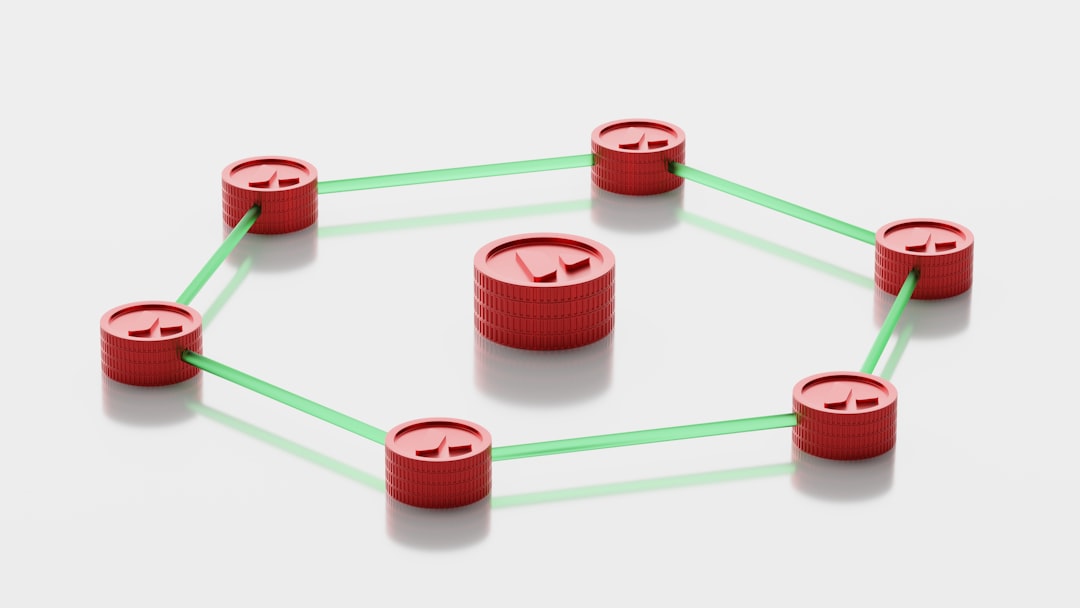
For SaaS vendors, automation features can become a meaningful product advantage. They help customers save time, reduce manual errors, and standardize operations. Over time, these benefits make the product more deeply embedded in the customer’s daily workflow.
Greater Scalability and Reliability
Integration workloads can be unpredictable. A customer may sync a few records per day, while another may process hundreds of thousands of events across multiple business systems. Without the right infrastructure, performance issues can appear quickly.
Embedded iPaaS platforms are designed to handle integration scale, including queueing, rate limit management, asynchronous processing, and automatic retries. These capabilities are difficult to build and maintain internally, especially for growing SaaS companies that must support multiple customers with different usage patterns.
Reliability is equally important. Failed integrations can disrupt business operations, damage trust, and increase support tickets. A mature embedded iPaaS provides monitoring, alerting, detailed logs, and recovery mechanisms that improve visibility and resilience. This allows SaaS vendors to detect issues earlier and provide better support when problems occur.
Enhanced Security and Compliance
Integrations often involve sensitive business data, including customer records, financial information, employee details, and operational metrics. As a result, security cannot be treated as an afterthought. SaaS companies must ensure that integrations are built with appropriate controls for authentication, encryption, access management, and auditability.
Reputable embedded iPaaS providers typically offer security features that support enterprise requirements. These may include encrypted data transfer, secure credential storage, role-based access control, audit logs, environment separation, and compliance documentation. While the SaaS vendor remains responsible for its overall security posture, using a specialized platform can reduce risk compared with building integration infrastructure without dedicated expertise.
For customers, visible security controls can also increase confidence. Enterprise buyers often evaluate integration architecture during procurement, especially if the product will connect to mission-critical systems. A well-governed embedded iPaaS approach can make these conversations more credible and efficient.
Better Data Consistency Across Systems
Disconnected systems create fragmented data. Sales, finance, marketing, and support teams may each work from different versions of the truth. This can lead to duplicate records, reporting inaccuracies, delayed decisions, and poor customer experiences.
Embedded iPaaS helps improve data consistency by enabling controlled synchronization between systems. SaaS vendors can define how records are matched, transformed, updated, and validated. They can also provide customers with options for sync direction, update frequency, conflict resolution, and field mapping.
This level of control is especially valuable for B2B SaaS products. Business customers often have unique data models and operational requirements. Embedded integration capabilities allow the SaaS provider to support flexibility while maintaining a reliable foundation.
Higher Customer Retention and Product Stickiness
Integrations make SaaS products harder to replace because they become part of a broader operational ecosystem. When a product is connected to multiple systems and automates important workflows, switching to another vendor becomes more complex. This is not about creating artificial lock-in; it is about delivering genuine operational value.
Customers are more likely to renew when a SaaS product saves time, reduces manual work, and supports critical processes. Embedded iPaaS contributes to this by helping the product fit naturally into the customer’s existing technology stack. The more effectively a product connects and automates, the more central it becomes to day-to-day operations.
New Revenue Opportunities
Embedded iPaaS can also support commercial growth. SaaS companies may package advanced integrations as premium features, offer automation capabilities in higher-tier plans, or create paid implementation services for complex workflows. These options can increase average revenue per account while delivering meaningful value to customers.
In some markets, integrations can influence buying decisions as much as core product features. A strong integration catalog may help a SaaS company compete against larger vendors, enter enterprise deals, or appeal to specific industries with specialized software ecosystems.
Key Considerations Before Choosing an Embedded iPaaS
Although the benefits are significant, SaaS vendors should evaluate embedded iPaaS platforms carefully. The right choice depends on product strategy, customer needs, technical architecture, and long-term scale requirements.
Important factors to assess include:
- Connector coverage: Does the platform support the applications your customers use most?
- Customization: Can workflows, field mappings, and user experiences be adapted to your product?
- Developer experience: Are APIs, SDKs, documentation, and testing tools mature and practical?
- Reliability: Does the platform provide robust monitoring, retries, logs, and uptime commitments?
- Security: Are credential management, encryption, access control, and compliance needs addressed?
- Scalability: Can the platform handle increasing data volume and customer growth?
A thoughtful evaluation reduces the risk of future migration challenges and ensures the integration strategy supports broader business goals.
Conclusion
Embedded iPaaS platforms are becoming a strategic foundation for SaaS integration and automation. They help providers deliver integrations faster, reduce development workload, improve customer experience, and support scalable, secure data movement. For customers, they make software easier to adopt, more connected, and more valuable in daily operations.
As SaaS ecosystems continue to expand, the ability to integrate smoothly with other tools will remain a major competitive factor. Companies that invest in embedded iPaaS are better positioned to meet customer expectations, accelerate product delivery, and build stronger long-term relationships. In a market where connectivity is essential, embedded integration capabilities are not simply technical infrastructure; they are a meaningful part of the product’s value proposition.