 logo
logo

A junk removal company depends on trust, speed, and local visibility. When a customer has an old sofa, renovation debris, office clutter, or a garage full of unwanted items, they are usually looking for a provider who appears reliable, responsive, and easy to book. A well-designed website is not just a digital brochure; it is a working sales tool that explains your services, reduces hesitation, and turns urgent searches into scheduled jobs.
TLDR: A junk removal website should make it easy for customers to understand what you remove, where you operate, how pricing works, and how to book quickly. The most effective sites combine clear service pages, strong local SEO, trust signals, mobile-friendly design, and simple contact options. If your website looks professional and answers customer questions fast, it can become one of your most dependable sources of qualified leads.
1. A Clear, Professional Homepage
Your homepage is often the first impression a potential customer has of your junk removal company. It should immediately communicate who you are, what you do, where you operate, and how someone can request service. Avoid cluttered layouts, vague slogans, and generic language that does not explain your value.
A strong homepage should include a clear headline such as “Fast, Reliable Junk Removal in Austin and Nearby Areas”. It should also feature a short explanation of your services, a prominent call to action, customer reviews, and links to your most important service pages. The goal is to help visitors understand within seconds that they are in the right place.

2. Prominent Calls to Action
Customers visiting a junk removal website are usually ready to take action. They may need an estimate, same-day pickup, or help clearing a property before a deadline. Your website should make the next step obvious on every page.
Use strong calls to action such as “Request a Free Estimate,” “Book Junk Pickup,” “Call Now,” or “Schedule Service Today.” These buttons should appear above the fold, throughout long pages, and at the end of key sections. On mobile devices, a tap-to-call button can significantly improve conversions.
Do not make users search for your phone number or contact form. If people cannot quickly find how to reach you, they may leave and contact a competitor.
3. Mobile-Friendly Design
Many customers search for junk removal services from their phones, especially when they are in the middle of cleaning, moving, or managing a property issue. A website that is difficult to use on mobile devices can cost your business valuable leads.
A mobile-friendly website should load quickly, display clearly on smaller screens, and make buttons easy to tap. Phone numbers should be clickable, forms should be short, and images should not slow down the page. Menus should be simple and organized, allowing visitors to find pricing, service areas, and contact information without frustration.
Mobile usability is not optional. It affects customer experience, search engine performance, and the overall credibility of your business.
4. Detailed Service Pages
Junk removal is a broad service category. Customers may search for specific needs such as appliance removal, furniture removal, construction debris hauling, estate cleanouts, yard waste removal, or commercial junk removal. If your website only has one general page, you may miss valuable search traffic and fail to answer important customer questions.
Create dedicated pages for your main services. Each page should explain what the service includes, what items you accept, what items may be restricted, and how the process works. For example, a furniture removal page can mention couches, mattresses, tables, chairs, desks, and entertainment centers.
Detailed service pages help customers feel confident and help search engines understand your website. They also allow you to target specific keywords in a natural, useful way.
5. Transparent Pricing Information
Pricing is one of the main concerns customers have when hiring a junk removal company. While it may not always be possible to provide exact prices without seeing the load, your website should still explain how pricing works.
You can describe whether you charge by volume, truckload, item type, labor, weight, or disposal requirements. If you offer free estimates, make that clear. If there are minimum charges, special disposal fees, or extra costs for heavy items, explain them honestly.
Transparency builds trust. Customers are more likely to contact a company that gives clear guidance than one that hides all pricing details. Even a simple pricing section can reduce hesitation and prevent misunderstandings before the job is scheduled.
6. Local SEO and Service Area Pages
Junk removal is a local business. Your website should be designed to help people in your target area find your company when they search online. Local SEO begins with clear location signals on your website.
Include your city, region, and surrounding service areas in appropriate locations throughout the site. Create service area pages for important cities or neighborhoods you serve. Each page should be unique and helpful, not just a copied page with the city name changed.
- List your primary service areas in the footer or on a dedicated page.
- Include local landmarks or neighborhoods where relevant and natural.
- Add your business name, address, and phone number consistently across the site.
- Use location-based page titles for your most important services.
Search engines need clear, consistent signals to connect your business with local customers. Strong local pages can help you compete for searches such as “junk removal near me” and “furniture removal in [city].”
7. Trust Signals and Reviews
Customers often invite junk removal crews into their homes, offices, rental properties, or construction sites. They want to know your company is legitimate, careful, and professional. Your website should provide evidence that you can be trusted.
Include customer testimonials, star ratings, before-and-after examples, licensing information where applicable, insurance details, and years of experience. If your company is family-owned, locally operated, uniformed, background-checked, or environmentally responsible, present those facts clearly.

Reviews should be specific when possible. A testimonial that says, “They removed an entire garage full of items in two hours and swept up afterward” is more persuasive than a vague statement like “Great service.” Real details make your company feel credible.
8. A Simple Booking or Estimate Form
A contact form should make it easy for customers to request service without feeling overwhelmed. Ask for only the information you need to respond properly. Common form fields include name, phone number, email address, service address, preferred date, and a brief description of the junk to be removed.
If possible, allow customers to upload photos. Photos can help your team provide more accurate estimates and prepare the right equipment. However, keep the process simple. A complicated form with too many required fields can reduce submissions.
After someone submits a form, display a confirmation message explaining what happens next. For example: “Thank you. Our team will contact you shortly to confirm details and provide an estimate.” Clear communication sets expectations and reinforces professionalism.
9. Photos That Show Real Work
Stock images can make a website look polished, but real photos often build stronger trust. Customers want to see your trucks, crew, equipment, and completed jobs. High-quality images show that your company is active, capable, and proud of its work.
Use photos of clean trucks, uniformed employees, organized equipment, and before-and-after results from actual projects. If you serve both residential and commercial clients, include examples from both categories. Make sure images are sharp, properly sized, and optimized for fast loading.
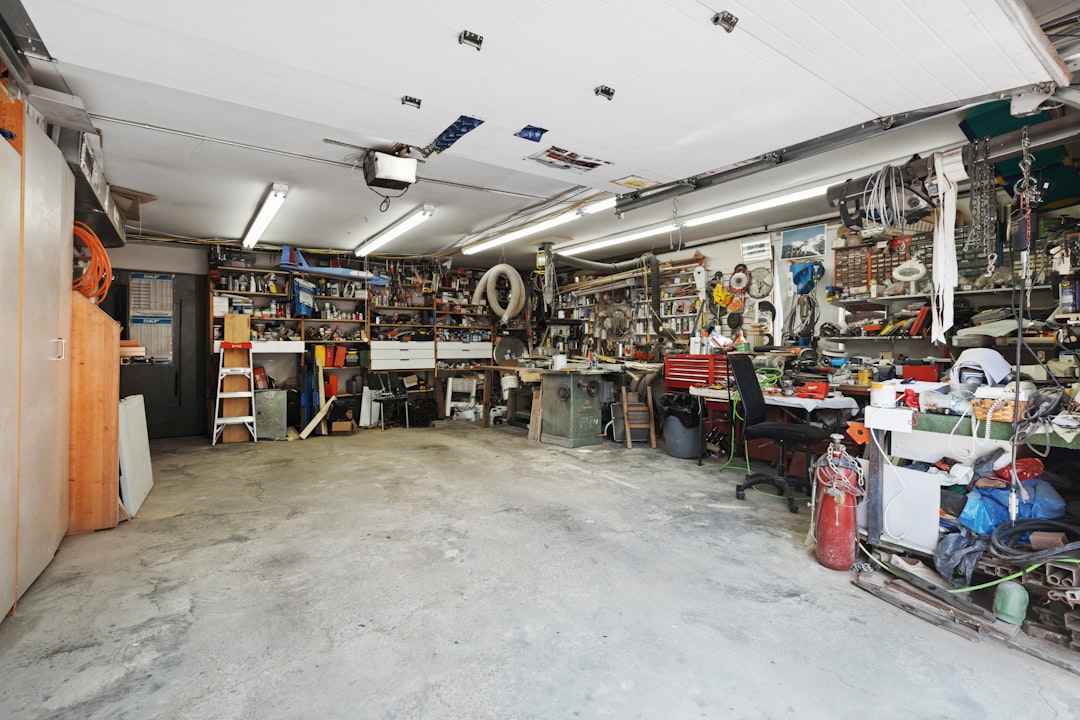
Photos can also support your service pages. For example, an appliance removal page can show a crew safely removing a refrigerator, while a construction debris page can show cleared renovation materials. This helps customers visualize the service and understand your capabilities.
10. Fast Loading Speed and Technical Reliability
A serious business website must perform reliably. Slow pages, broken links, missing images, and errors create doubt. If your website feels neglected, customers may assume your service is also disorganized.
Fast loading speed is especially important for mobile visitors. Compress images, reduce unnecessary scripts, use reliable hosting, and keep the design clean. Technical quality also matters for search engines, which may rank faster and more usable websites more favorably.
Security is another important factor. Your website should use HTTPS, especially if customers submit contact forms. Forms should work properly, messages should be delivered to the right email address, and spam protection should be in place without making the form difficult to use.
Additional Elements That Strengthen a Junk Removal Website
Beyond the ten essential features, several supporting elements can make your website even more effective. A frequently asked questions section can address concerns about prohibited items, donation, recycling, appointment length, and payment methods. A blog or resource section can help with search visibility and educate customers on cleanouts, moving preparation, and responsible disposal.
You should also include an easy-to-find privacy policy, especially if you collect personal information through forms. If your company offers eco-friendly disposal, recycling, or donation drop-offs, explain this clearly. Many customers prefer to hire a company that handles unwanted items responsibly rather than sending everything to a landfill.
How Good Web Design Supports Business Growth
Good web design is not just about appearance. It directly supports sales, operations, and reputation. A clear website can reduce repetitive phone questions, improve lead quality, and help customers understand what to expect before your crew arrives.
For a junk removal company, the best website is practical, trustworthy, and conversion-focused. It should reflect the same standards you want customers to associate with your field work: punctuality, cleanliness, honesty, and professionalism.
When your site clearly explains your services, showcases proof of quality, and makes booking easy, it becomes more than a marketing asset. It becomes part of your customer service process.
Final Thoughts
A junk removal company website needs to do more than look modern. It must answer urgent questions, establish credibility, and guide visitors toward requesting service. The ten most important features include a professional homepage, clear calls to action, mobile-friendly design, detailed service pages, transparent pricing, local SEO, strong trust signals, a simple estimate form, real project photos, and reliable technical performance.
Investing in these features can help your company stand out in a competitive local market. Customers are more likely to choose a business that looks organized, communicates clearly, and makes the process easy from the first click. A serious, well-built website gives your junk removal company a stronger foundation for consistent leads and long-term growth.