 logo
logo

Buying software used to feel like booking a meeting with a wizard. You had to talk to sales. Then talk to another person. Then wait for a demo. Then ask for pricing. Then wait again. Today, many customers want something much simpler. They want to click, try, learn, and buy. That is why self service SaaS is becoming a serious competitive advantage.
TLDR: Self service SaaS lets users sign up, explore, and get value without waiting for a sales call. This makes growth faster, support cheaper, and customers happier. For example, if 1,000 visitors land on a product site and 8% start a free trial without speaking to anyone, that is 80 potential customers moving forward instantly. A company with a smooth self service flow can win users while competitors are still scheduling demos.
What Is Self Service SaaS?
Self service SaaS is software that people can use on their own. They do not need a salesperson to unlock the product. They do not need a long onboarding call. They do not need a 42-page PDF called “Getting Started,” which nobody truly wants to read.
They can simply:
- Create an account.
- Choose a plan.
- Try key features.
- Invite teammates.
- Pay when they are ready.
Think of it like a vending machine for software. The user sees the value, pushes a few buttons, and gets what they need. No awkward small talk required.
Customers Want Speed
People are busy. Very busy. Their calendars look like a game of Tetris. If your product requires three calls before anyone sees it, many users will leave.
Self service removes friction. It gives users control. This matters because modern buyers like to do research alone. They read reviews. They compare pricing. They watch videos. They test products.
By the time they talk to a human, they may already know what they want.
So if your SaaS lets them start right now, you have an edge. You meet them where they are. You do not force them into your process. You fit into theirs.
It Makes the First Impression Stronger
A great self service experience says, “We respect your time.” That is powerful.
When someone signs up and finds value in five minutes, trust grows. They feel smart. They feel in control. They think, “Nice. This works.”
That feeling is gold.
Now compare that with a confusing signup flow. Or a product that hides everything behind a sales form. The user may wonder, “Why is this so hard?”
That is not a great first date.
In SaaS, the product is often the best salesperson. If the product is clear, useful, and friendly, it can sell itself. Not always fully. But enough to move the user forward.
It Lowers Customer Acquisition Costs
Sales teams are important. But they are also expensive. Every demo, email, and meeting costs time and money.
Self service helps reduce that cost. It allows smaller customers to buy without needing a full sales process. It also lets sales teams focus on bigger accounts that need more help.
This creates a healthier growth engine.
For example:
- Small teams can start with a free trial or basic plan.
- Mid-market buyers can explore features before requesting help.
- Enterprise leads can test the product before a sales conversation.
Everyone gets a better path. Nobody is stuck in the same line.
It Scales Like a Champ
Imagine your product gets mentioned in a popular newsletter. Suddenly, 10,000 people visit your site. Great news. Also, panic.
If every visitor needs a sales call, your team may melt like ice cream in July.
With self service, the product can handle the rush. Users can sign up, test features, and upgrade without waiting. Your system does the heavy lifting.
That is scale.
Self service SaaS turns interest into action while the interest is still hot. This is key. If someone wants to try your product today, “next Thursday at 2 p.m.” may be too late.
It Improves Product Feedback
Self service users are honest. Sometimes painfully honest. They click around. They get stuck. They leave. Or they upgrade. Every action is feedback.
You can learn a lot from this behavior.
You can track:
- Where users drop off.
- Which features they try first.
- How long it takes to reach value.
- Which help articles they read.
- What actions lead to upgrades.
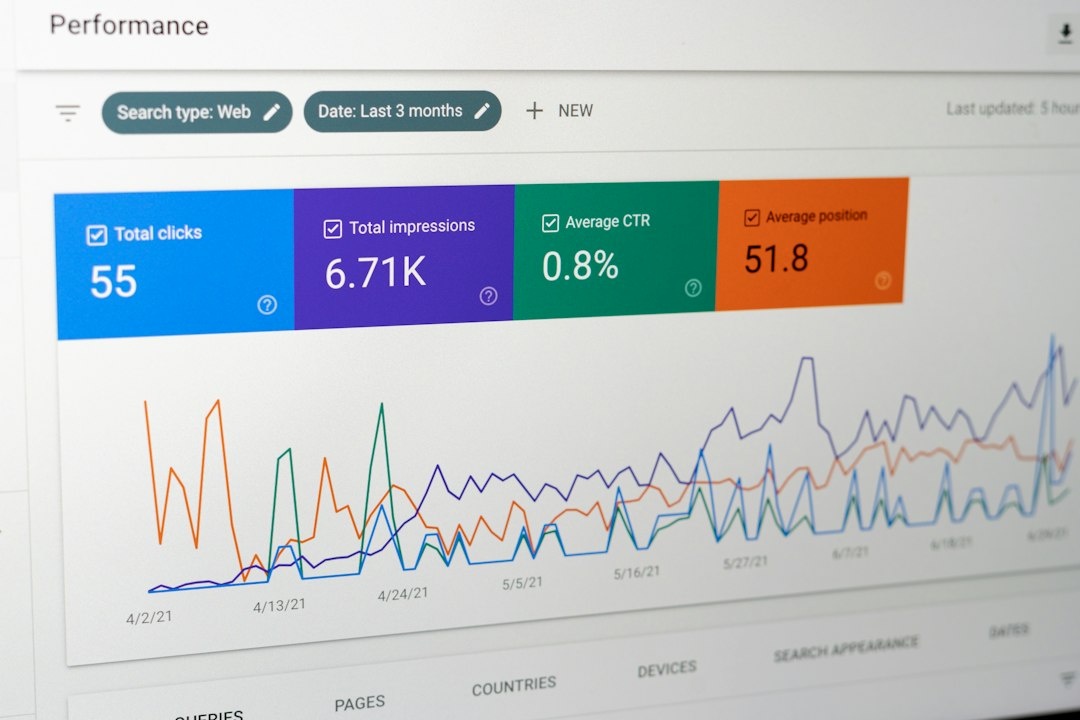
This data helps teams improve the product. It shows what is working and what is confusing. It turns the user journey into a map.
And sometimes that map has a big red circle around one button that nobody can find.
It Builds Better Customers
Self service does not mean “no service.” That is a common mistake.
Good self service includes smart support. It just gives help at the right time. Users should have access to:
- Clear onboarding steps.
- Helpful tooltips.
- Short videos.
- Searchable help docs.
- Live chat when needed.
- Simple billing controls.
This helps users learn by doing. They become more confident. They depend less on support for basic questions. They also discover value faster.
That means fewer “How do I start?” tickets. It also means more “How do I upgrade?” moments. Much better.
It Supports Product Led Growth
Self service SaaS is closely tied to product led growth. This means the product drives acquisition, activation, conversion, and expansion.
In plain English: the product does a lot of the selling.
Users do not need to be convinced by a shiny pitch deck. They can experience the value directly. If the product solves a real problem, the user feels it.
This is why free trials, freemium plans, and interactive demos are so popular. They let people taste the product before buying the whole cake.
And yes, cake is a valid business metaphor.
It Makes Global Growth Easier
Your sales team sleeps. Your website does not.
Self service SaaS can sell across time zones. A user in Berlin can sign up during your team’s lunch break. A founder in Sydney can upgrade while your office is closed. A marketer in Toronto can invite teammates at midnight because inspiration struck after coffee number four.
This always-on access creates global reach. It also makes your product feel modern. People expect digital products to be available whenever they are.
If your competitor makes users wait, and you do not, you have the advantage.
It Increases Trust Through Transparency
Many buyers dislike mystery pricing. They do not want to fill out a form just to learn if the product costs $20 or $20,000.
Self service often works best with clear pricing. This builds trust. It helps users decide faster. It also filters out poor-fit leads before they reach your team.
Transparent pricing says, “Here is what we offer. Here is what it costs. No treasure hunt required.”
That is refreshing.
But It Has to Be Done Well
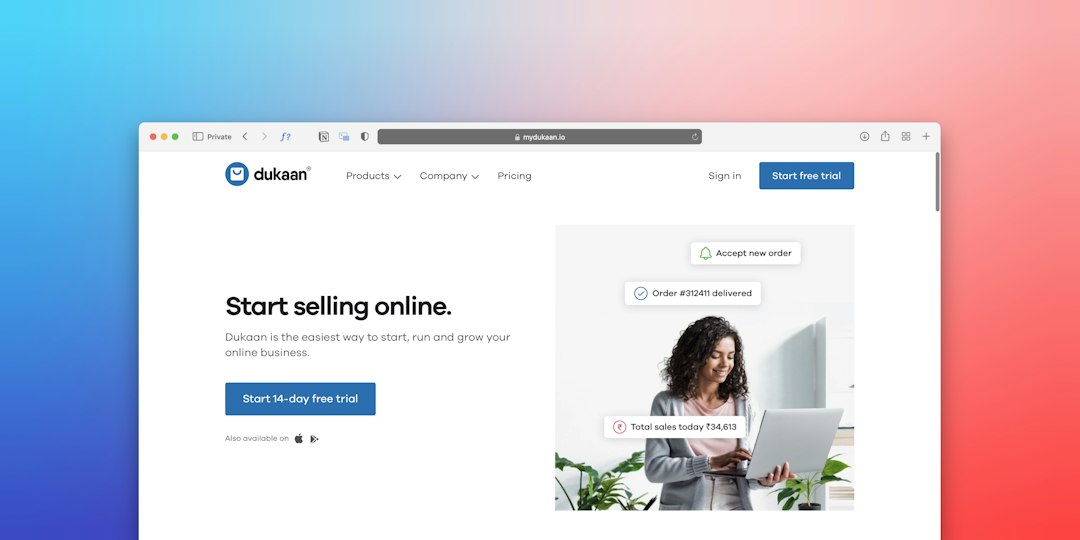
Self service is not magic dust. You cannot just add a “Start Free Trial” button and call it a day.
The experience must be smooth. Users need to understand what to do next. They need quick wins. They need guidance, but not a babysitter.
A good self service flow should answer three questions fast:
- What is this?
- How does it help me?
- What should I do next?
If users cannot answer these questions, they may leave. Not because the product is bad. Because the path is foggy.
The Competitive Advantage Is Simple
Self service SaaS wins because it matches how people want to buy. It is fast. It is flexible. It is measurable. It is easy to scale.
It also gives users power. That matters. People like products that let them move at their own speed. They like trying before buying. They like solving problems without waiting in line.
Companies that understand this can grow faster. They can serve more users. They can reduce friction at every step.
The future of SaaS is not just about having better features. It is about making those features easier to reach.
Because in a crowded market, the easiest product to try often becomes the easiest product to choose.
