 logo
logo
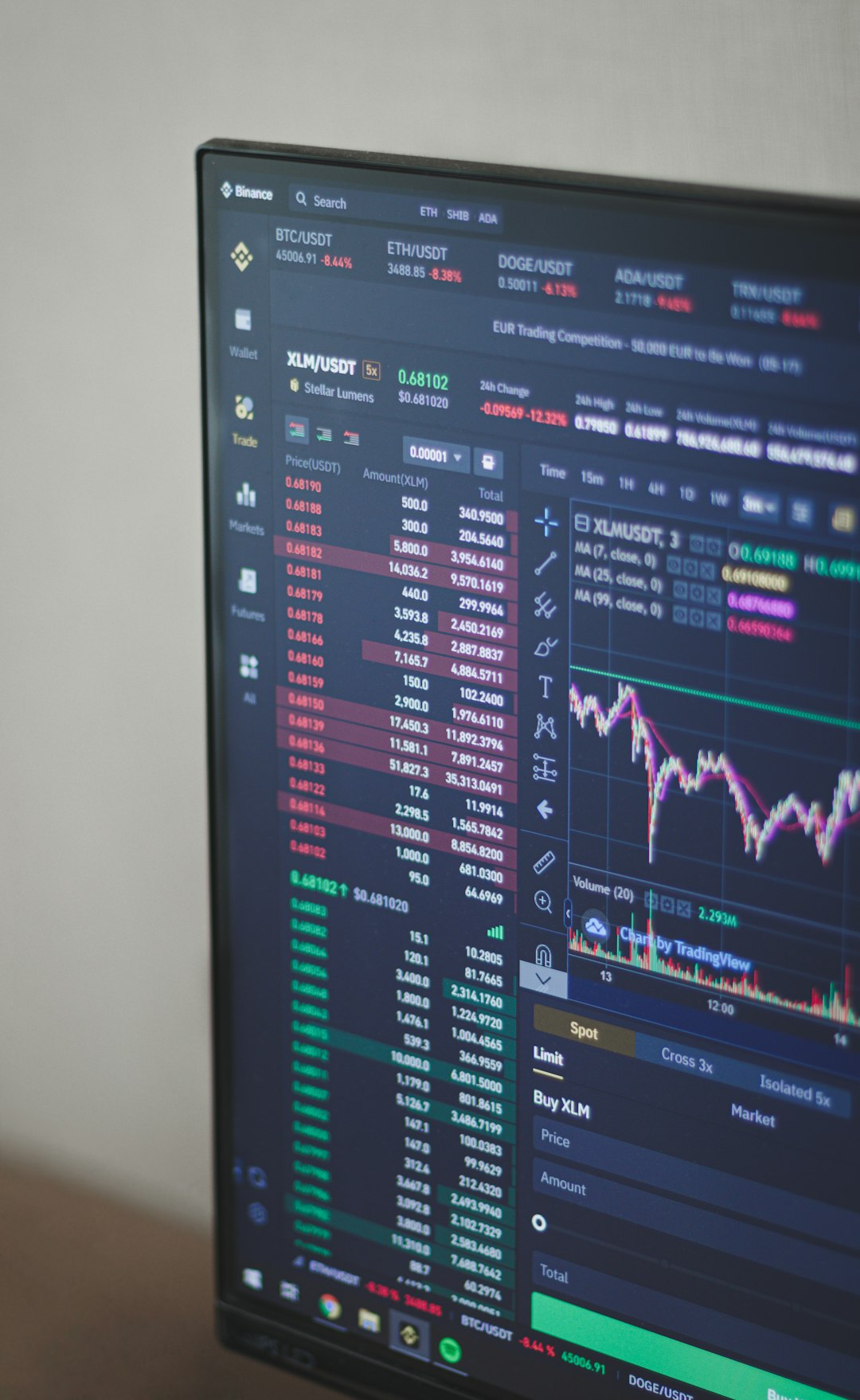
Cryptocurrency markets operate 24/7, spanning multiple exchanges, wallets, decentralized platforms, and blockchains. For both retail and institutional investors, staying on top of price movements, portfolio allocations, and risk exposure can quickly become overwhelming. This is where cryptocurrency portfolio software with real-time tracking and alerts plays a critical role, transforming raw blockchain data into structured, actionable insight.
TLDR: Cryptocurrency portfolio software helps investors monitor digital assets in real time across exchanges and wallets. With live price tracking, automated alerts, performance analytics, and tax reporting tools, these platforms reduce manual work while improving decision-making. Real-time notifications allow users to react quickly to market volatility. For serious crypto participants, portfolio tracking software is no longer optional—it is essential infrastructure.
The Growing Need for Real-Time Portfolio Tracking
Unlike traditional markets that close overnight and on weekends, cryptocurrency markets never sleep. Bitcoin, Ethereum, and thousands of altcoins fluctuate every second, influenced by:
- Global macroeconomic news
- Regulatory announcements
- On-chain activity
- Whale transactions
- Social media sentiment
For investors managing multiple wallets, centralized exchange accounts, and decentralized finance (DeFi) positions, manually tracking performance becomes inefficient and error-prone. Real-time portfolio software aggregates this data into one unified dashboard, providing clarity across a fragmented ecosystem.
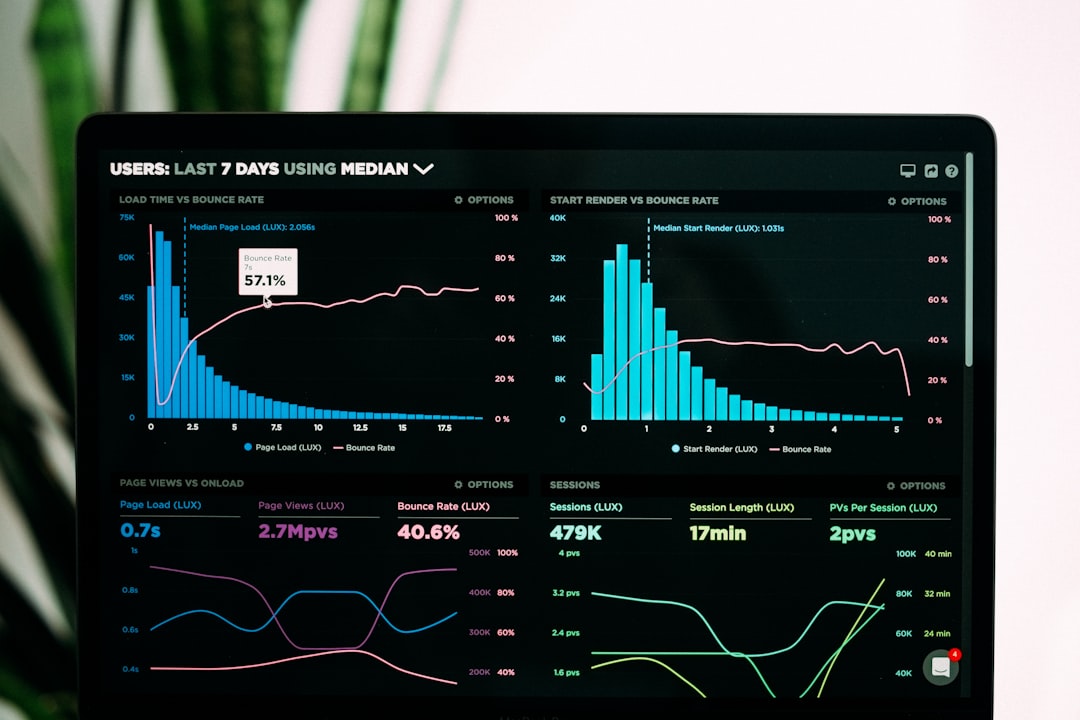
Core Features of Cryptocurrency Portfolio Software
While platforms vary in complexity, most reliable solutions offer several foundational features designed to simplify asset management.
1. Real-Time Price Tracking
The most essential feature is live price monitoring across exchanges. Instead of refreshing multiple websites, users can:
- View real-time spot prices
- Track percentage changes
- Monitor 24-hour volume
- Analyze market capitalization shifts
This immediate visibility helps traders respond quickly to price swings, especially in volatile altcoin markets.
2. Multi-Exchange Integration
Serious traders rarely rely on a single platform. Cryptocurrency portfolio software often integrates with:
- Centralized exchanges via API keys
- Hardware wallets
- Mobile wallets
- DeFi protocols
- NFT marketplaces
By connecting API keys with read-only permissions, users can automatically import trades without manually inputting transactions.
3. Wallet and Blockchain Synchronization
Advanced tracking tools also allow blockchain address tracking. By inputting a wallet address, the system can:
- Display token balances
- Track transaction history
- Calculate realized and unrealized gains
- Monitor staking rewards
This feature is particularly valuable for DeFi participants who interact with multiple smart contracts.
Smart Alerts: The Power of Instant Notifications
Real-time alerts differentiate basic portfolio trackers from advanced investment management tools. Alerts can be customized across multiple conditions:
- Price thresholds (e.g., Bitcoin drops below $60,000)
- Percentage movement (e.g., 10% increase within 1 hour)
- Volume spikes
- Portfolio allocation imbalance
- Large on-chain transfers
These notifications can be delivered via:
- Mobile push notifications
- Email alerts
- SMS messages
- Browser pop-ups
For active traders, alerts provide a significant advantage. Instead of constantly watching charts, investors are notified only when action is required.
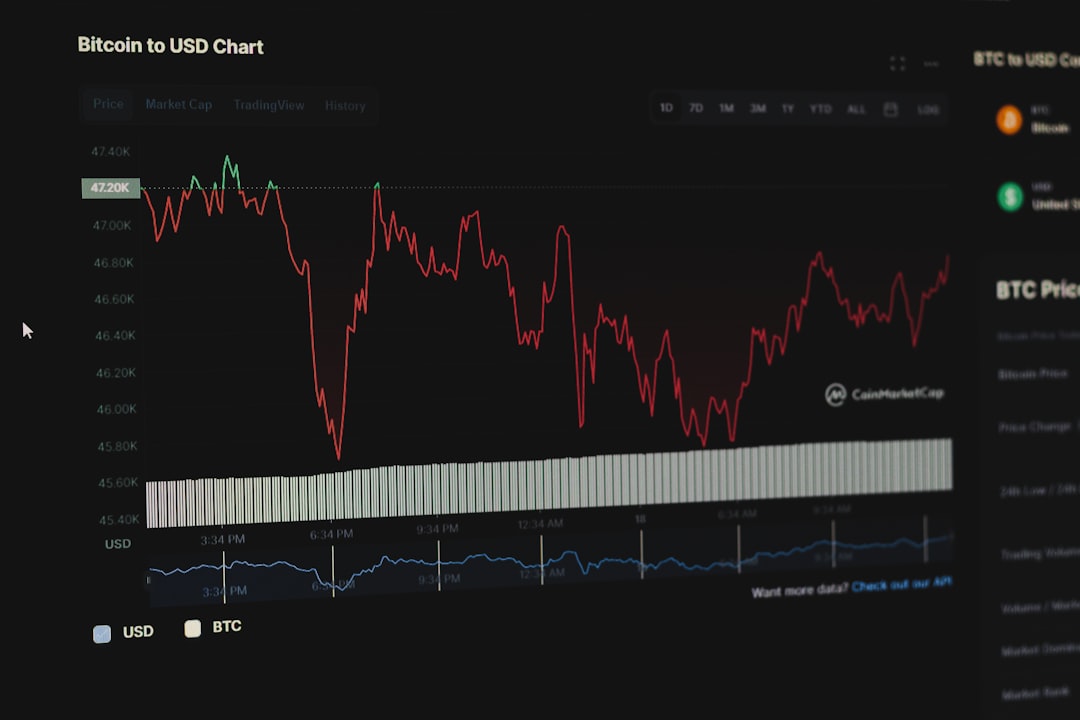
Performance Analytics and Reporting
Beyond price monitoring, cryptocurrency portfolio software delivers performance insights that help users evaluate strategies.
Key Analytical Tools
- Profit and loss (P&L) tracking: Both realized and unrealized gains.
- Cost basis calculations: FIFO, LIFO, or specific identification methods.
- Asset allocation breakdown: Visualization of diversification.
- Historical performance charts: Daily, weekly, monthly comparisons.
- Benchmark comparison: Measure performance against Bitcoin or market indices.
These analytics provide clarity around which trades are profitable and which strategies underperform. Long-term investors benefit from visualizing compound growth, while short-term traders can fine-tune entry and exit timing.
Risk Management and Diversification Control
Cryptocurrency markets are notoriously volatile. Real-time tracking software plays a vital role in risk management by offering:
- Portfolio allocation monitoring
- Exposure limits per asset
- Stablecoin ratio tracking
- Volatility analysis
If one token begins to dominate an overall portfolio due to rapid growth, automated alerts can inform the user to rebalance. Similarly, sudden portfolio drawdowns can trigger reviews of open positions.
Effective risk control often separates profitable investors from those who suffer heavy losses during market downturns.
Tax Reporting and Compliance Features
As regulatory scrutiny increases globally, crypto investors must track taxable events accurately. Portfolio software simplifies compliance by:
- Automatically calculating capital gains and losses
- Generating tax-ready reports
- Tracking staking rewards and airdrops
- Recording NFT trades
Instead of sorting through hundreds or thousands of blockchain transactions manually, investors can export formatted reports compatible with accounting software.
Security Considerations
Because cryptocurrency portfolio software connects to exchanges and wallets, security is a major concern. Leading platforms mitigate risk by:
- Using encrypted API connections
- Requiring two-factor authentication (2FA)
- Offering read-only API access
- Storing minimal personal data
Importantly, users should avoid granting withdrawal permissions when linking exchange accounts. Portfolio trackers should never require custody of funds to function.

Benefits for Different Types of Investors
Retail Investors
Casual investors gain simplicity and consolidation. Instead of juggling spreadsheets, they can see all assets at a glance.
Active Traders
Short-term traders benefit most from real-time alerts and rapid performance analysis.
Long-Term Holders
Even passive investors use portfolio tools to measure long-term growth and rebalance periodically.
Institutional Investors
Professional managers require in-depth analytics, compliance reporting, and multi-user access controls.
Mobile and Cross-Platform Accessibility
Modern portfolio tracking platforms typically operate across:
- Web browsers
- iOS and Android apps
- Tablet interfaces
Synchronized cloud-based systems allow seamless access from multiple devices. This mobility ensures investors can receive alerts and execute decisions wherever they are.
Automation and AI Integration
Emerging platforms increasingly incorporate artificial intelligence and automation to enhance user experience:
- Automated portfolio rebalancing suggestions
- Predictive volatility indicators
- Behavioral analytics dashboards
- Risk-adjusted performance scoring
While AI cannot eliminate market risk, algorithm-driven insights help users interpret large volumes of data more efficiently.
Choosing the Right Software
When selecting cryptocurrency portfolio software with real-time tracking and alerts, users should evaluate:
- Supported exchanges and blockchains
- Frequency of price updates
- Customization of alert conditions
- Security features
- Reporting and export options
- Pricing structure
Free versions may suffice for beginners, while advanced traders often require premium features such as unlimited exchange integrations and detailed tax modules.
The Future of Crypto Portfolio Management
As blockchain technology evolves and digital assets diversify into tokenized securities, gaming assets, and decentralized identity systems, portfolio tracking tools will expand accordingly. Real-time monitoring will likely integrate deeper on-chain analytics, compliance automation, and cross-chain aggregation.
Ultimately, cryptocurrency portfolio software is becoming as fundamental to crypto investing as online brokerage platforms are to traditional stock markets. In a space defined by constant change, real-time visibility and proactive alerts provide a powerful edge.
Frequently Asked Questions (FAQ)
1. What is cryptocurrency portfolio software?
It is a digital platform that aggregates cryptocurrency holdings from exchanges and wallets, allowing users to track prices, monitor performance, and receive alerts in real time.
2. Are real-time alerts customizable?
Yes. Most platforms allow users to set price targets, percentage change alerts, volume indicators, and portfolio allocation triggers.
3. Is it safe to connect exchange accounts to portfolio trackers?
Generally, yes—if the platform uses encrypted, read-only API keys. Users should never enable withdrawal permissions when linking accounts.
4. Can portfolio software track DeFi and NFT assets?
Many advanced platforms support blockchain wallet tracking, enabling monitoring of DeFi tokens, staking rewards, and NFT holdings.
5. Does cryptocurrency portfolio software help with taxes?
Yes. Many solutions automatically calculate gains and losses, generate transaction histories, and export tax-ready reports compatible with accounting tools.
6. Is portfolio tracking software suitable for beginners?
Absolutely. Beginners benefit from consolidated dashboards and simplified reporting, while advanced users can leverage more detailed analytics and alerts.
7. Do these platforms require custody of funds?
No. Legitimate portfolio tracking software does not hold user funds. It simply connects via API or blockchain addresses to display information.
As cryptocurrency adoption continues to expand, having reliable portfolio software with real-time tracking and intelligent alerts will remain a cornerstone of responsible and strategic digital asset management.